
Bullying consequences don’t end with the victim. Students who engage in bullying behavior face significant developmental, social, and long-term risks that can derail their own well-being and future success. While Canadian schools rightly focus on supporting those who are targeted, research consistently shows that children and adolescents who bully others are themselves at heightened risk for academic struggles, mental health challenges, substance use, and involvement with the justice system as they move into adulthood.
Understanding these consequences matters for everyone committed to safe, supportive learning environments. When educators and parents recognize that bullying behavior signals underlying problems and predicts future difficulties for the student doing the bullying, intervention shifts from purely disciplinary to developmental. This perspective doesn’t minimize the harm caused to victims or excuse the behavior. Rather, it acknowledges a reality: students who bully need support and skill-building to change their trajectory, and schools have an opportunity to interrupt patterns that lead to serious negative outcomes.
The evidence base is clear. Young people who persistently bully their peers show elevated rates of depression, anxiety, and aggressive behavior patterns that interfere with healthy relationships throughout their lives. They struggle more in school, not just socially but academically. Many develop substance use problems during adolescence. The pattern continues into adulthood, where former bullies face higher unemployment rates, relationship instability, and contact with criminal justice systems compared to peers who didn’t engage in bullying.
This article examines how bullying behavior affects the bully across multiple life domains, why these consequences occur, and what schools and families can do to support meaningful change.
What the Research Shows: Understanding Consequences for Students Who Bully
When educators and researchers discuss consequences for students who bully, they’re describing documented patterns that emerge in the lives of young people who engage in repeated aggressive behavior toward peers. These aren’t moral judgments or assumptions about character. Instead, they’re observable outcomes that research has consistently identified across different communities and school systems.
Bullying behavior creates a ripple effect in the life of the student engaging in it. The immediate consequences might seem obvious: disciplinary action, strained relationships with peers and adults, potential suspension. However, the effects extend far beyond what happens in the principal’s office. Students who regularly bully others often develop patterns that follow them into multiple areas of life, shaping their academic performance, emotional development, social connections, and even their future opportunities as adults.
- Chronic bullying behavior
- A pattern of repeated aggressive actions toward peers that persists over time rather than isolated incidents of conflict or poor judgment.
- Antisocial patterns
- Behaviors that show disregard for social norms and the rights of others, often developing when aggressive behavior becomes normalized.
- Intervention outcomes
- The measurable changes that occur when schools and families implement evidence-based strategies to address bullying behavior and support behavioral change.
- Developmental trajectory
- The path a young person’s development takes over time, which bullying behavior can significantly alter by reinforcing problematic patterns during critical growth periods.
Understanding these consequences matters because it shifts how we approach bullying situations. Rather than viewing students who bully as simply “bad kids” who need punishment, this perspective recognizes that these young people are also at risk and need intervention to change harmful patterns before they become entrenched. The student who bullies in fifth grade faces real dangers to their own wellbeing and future, even if those consequences aren’t as immediately visible as a bruise or a tearful victim.
How Bullying Behavior Affects the Student Who Bullies
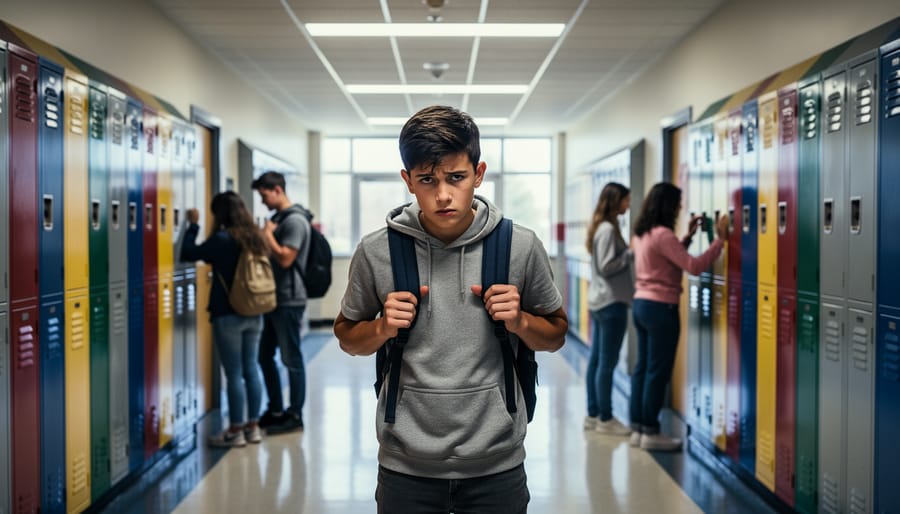
When a student engages in bullying behavior, they’re not just harming others, they’re setting in motion patterns that reshape their own development. Each bullying incident reinforces neural pathways that make aggressive responses more automatic. The student learns that intimidation gets results, whether that’s social status, material goods, or simply avoiding uncomfortable emotions. This creates a feedback loop: the behavior works in the short term, so the brain prioritizes it as a solution, making it harder to develop healthier social skills.
The impact extends to emotional regulation. Students who bully often struggle to process difficult feelings like frustration, embarrassment, or anxiety without externalizing them through aggression. Rather than learning to sit with discomfort or communicate needs directly, they bypass these developmental tasks. Over time, this creates a deficit: the emotional skills their peers are developing, empathy, patience, conflict resolution, remain underdeveloped. The gap widens as they move through adolescence.
Social learning also takes a damaging turn. While students who bully may appear popular or powerful, they’re often learning a distorted version of social connection based on dominance rather than mutual respect. Peers may comply out of fear rather than genuine friendship. This teaches the student that relationships are transactional and hierarchical, a worldview that creates serious challenges in adult relationships, employment settings, and parenting later in life.
Perhaps most concerning is the escalation cycle. Because bullying temporarily relieves tension or achieves goals, students need increasingly severe behavior to get the same effect as peers develop resistance or adults intervene. What starts as teasing can progress to physical aggression or cyberbullying. Each escalation makes it harder to step back, as the student’s identity becomes tied to their role as aggressor and their repertoire of non-aggressive responses shrinks.
Types of Consequences Students Who Bully Experience
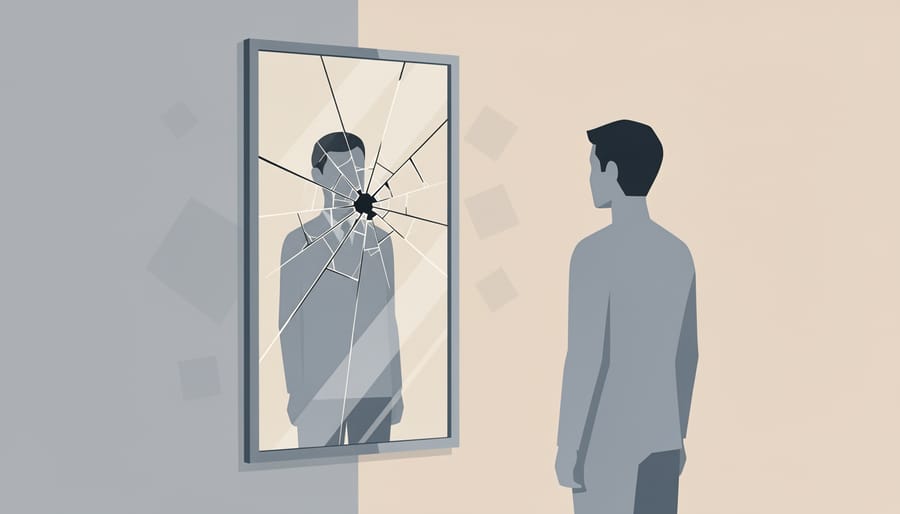
Academic and School-Related Consequences
Students who engage in bullying behavior often experience serious academic and school-related consequences that compound over time. The relationship between aggressive behavior and school performance creates a downward spiral: bullying takes time and mental energy away from learning, while the resulting disciplinary actions further disconnect students from academic engagement.
Common academic outcomes include:
- Declining grades and test scores as focus shifts from learning to conflict
- Frequent disciplinary referrals that disrupt instruction time
- Higher rates of suspension and expulsion that create gaps in learning
- Reduced likelihood of graduating high school on time
- Damaged relationships with teachers who see them as disruptive
- Rejection by prosocial peers who avoid students with aggressive patterns
Research consistently shows that students who bully are more likely to receive out-of-school suspensions which removes them from the learning environment precisely when they need consistent structure and support. Each suspension increases the likelihood of academic failure and disengagement. Teachers often struggle to maintain positive relationships with students who bully, leading to less instructional support and fewer opportunities for mentorship. The student begins to see school as a place of conflict rather than learning, and this shift in perception often becomes self-reinforcing. By the time educators recognize the pattern, the student may be significantly behind academically and socially isolated from peers who could model positive behavior.
Social and Relationship Difficulties
Students who engage in bullying behavior often face a paradox in their social lives. While they may appear popular or socially dominant in the short term, research consistently shows they struggle to form the genuine, trusting relationships that sustain long-term social wellbeing. The aggressive patterns that define bullying behavior actively undermine the reciprocity and vulnerability that real friendships require.
Many students who bully report having numerous acquaintances but few close friends. Peers may associate with them out of fear, social positioning, or perceived status rather than authentic connection. This superficial social network becomes evident during transitions, moving to a new school, graduating, or facing personal challenges, when fair-weather allies disappear. Without the foundation of mutual respect and empathy, these relationships lack durability.
The trust deficit extends beyond peer circles. Family relationships often deteriorate as parents struggle to address the behavior, leading to increased conflict at home. Siblings may distance themselves, and the student who bullies can become isolated within their own household. Parents and educators frequently observe that students engaging in bullying behavior have difficulty reading social cues, struggle with perspective-taking, and respond to perceived slights with disproportionate aggression, patterns that make sustaining any healthy relationship extremely difficult.
These relational struggles create a painful cycle. Social isolation can intensify the very insecurity and need for control that fuels bullying behavior, while the aggressive responses push potential friends further away. Breaking this pattern requires deliberate intervention focused on building genuine social-emotional skills and creating opportunities for positive connection.
Mental Health and Emotional Challenges
Students who engage in bullying behavior face significant mental health challenges that often go unrecognized because their outward behavior masks inner struggles. Research consistently shows that youth who bully others experience higher rates of depression and anxiety than peers who don’t engage in aggressive behavior. These emotional difficulties stem partly from the social and relational problems their behavior creates, and partly from underlying issues that may have contributed to the bullying in the first place.
Anger management presents a particular challenge. Students who bully often struggle to regulate strong emotions, responding to frustration or perceived slights with aggression rather than constructive coping strategies. This difficulty with emotional regulation creates a cycle: poor anger management leads to bullying behavior, which then generates consequences that trigger more anger and frustration.
Paradoxically, many students who bully exhibit low self-esteem beneath a facade of confidence. The aggressive behavior often masks feelings of inadequacy or insecurity. Some use bullying to establish dominance because they lack healthier ways to feel capable or valued. Others develop negative self-concepts as they internalize how peers and adults respond to their behavior, even if they don’t show remorse outwardly.
These emotional patterns become more entrenched over time when left unaddressed, making early intervention crucial for supporting students’ mental health while they’re still developing healthier emotional skills.
Long-Term Adult Outcomes
The patterns established during childhood bullying often cast long shadows into adult life. While not every student who engages in bullying behavior faces these outcomes, research consistently identifies troubling trajectories worth understanding.
Employment and career paths frequently suffer. Adults who bullied peers as children often struggle to maintain stable employment, experiencing higher job turnover and workplace conflict. The same aggressive communication patterns that characterized their school years can alienate colleagues, supervisors, and clients. They may have difficulty accepting feedback, collaborating in teams, or navigating workplace hierarchies without resorting to intimidation tactics that prove counterproductive in professional settings.
Relationship difficulties persist across domains. Romantic partnerships, friendships, and family relationships all show strain. The inability to develop genuine empathy and trust-based connections during formative years creates lasting deficits in emotional intimacy. Many adults who bullied as children report feeling isolated despite surface-level social networks, repeating patterns of dominance and control that ultimately drive people away.
Substance abuse emerges as a significant risk. The unresolved anger, anxiety, and low self-esteem underlying bullying behavior often intensify without intervention, leading some adults to self-medicate. Alcohol and drug dependencies become coping mechanisms for the very emotions they never learned to regulate constructively during childhood.
Criminal justice involvement represents perhaps the most serious outcome. Aggressive behavior patterns established early can escalate into assault, domestic violence, and other criminal acts. The same disregard for others’ wellbeing that manifested in schoolyard bullying can evolve into more severe antisocial behavior when left unaddressed, creating cycles that damage both perpetrators and their communities for decades.
How Schools and Parents Can Use This Understanding

Understanding the consequences that students who bully face transforms how schools and parents respond to harmful behavior. Rather than relying solely on punishment, this knowledge supports interventions that address root causes while maintaining clear accountability. When educators recognize that bullying behavior often signals a student’s own struggles with emotional regulation, social skills, or home challenges, they can design responses that protect victims while simultaneously supporting the student who bullied toward better patterns.
Effective intervention begins with building positive rapport with students before problems escalate. Teachers who know their students well notice early warning signs of aggressive behavior and can intervene before patterns become entrenched. This preventive approach works better than waiting for serious incidents to occur.
Schools across Canada increasingly adopt restorative practices that require students to understand the harm they’ve caused and take responsibility for repairing it. A middle school in Ontario, for example, uses restorative circles where students who bullied meet with those affected, guided by trained facilitators. These sessions focus on accountability, understanding impact, and developing concrete plans for changed behavior. Students write apologies, complete community service within the school, and participate in regular check-ins to monitor progress. This approach maintains consequences while creating pathways for genuine change rather than simply removing students from school.
Evidence-based strategies that support both intervention and prevention include:
- Early identification of students showing aggressive behavior patterns through teacher observation and social-emotional screening
- Restorative justice practices that emphasize accountability, repair of harm, and skill development
- Referrals to school counselors or community mental health services for students struggling with anger, empathy, or emotional regulation
- Structured social skills training that explicitly teaches conflict resolution, perspective-taking, and appropriate assertiveness
- Family engagement that involves parents as partners in addressing behavior while connecting them to support resources
- Ongoing monitoring and support without labeling students in ways that create self-fulfilling negative identities
Creating safe classroom relationships matters because students who bully need to experience healthy social dynamics to learn different patterns. When teachers model respect, teach empathy through curriculum, and establish clear expectations with consistent follow-through, they create environments where aggressive behavior becomes less rewarding and prosocial behavior receives positive reinforcement.
Parents play equally important roles. Responding to news that their child has bullied others requires balancing natural defensiveness with willingness to address the behavior directly. Effective parent responses include having calm conversations about what happened, setting clear expectations, working collaboratively with the school’s intervention plan, and potentially seeking family counseling if patterns continue. Creating trust and belonging at home helps children develop the security they need to treat others with respect.
The goal isn’t to excuse harmful behavior but to interrupt it effectively while teaching better alternatives. When schools and families work together with both accountability and support, students who have engaged in bullying can develop healthier patterns that serve them throughout their lives.
Common Questions About Consequences for Students Who Bully
Understanding the consequences that students who bully experience raises important questions for educators and parents working to create safe school environments. These questions reflect the complexity of addressing bullying behavior while maintaining both accountability and compassion.
Does understanding consequences for bullies mean we should excuse their behavior?
No. Understanding that students who bully also experience negative outcomes helps us create more effective interventions, not justifications. Accountability remains essential, but it works best when paired with support that addresses underlying issues and helps students develop better patterns.
Can students who engage in bullying behavior actually change?
Yes, especially with early intervention. Research consistently shows that children and adolescents can develop new behavioral patterns when they receive appropriate support, learn emotional regulation skills, and experience consistent consequences paired with genuine opportunities to repair harm. Change requires time, consistency, and authentic student connection with caring adults.
At what age should we intervene in bullying behavior?
Intervention should begin as soon as patterns emerge, regardless of age. Early childhood aggressive behaviors, if left unaddressed, tend to escalate and become more entrenched over time. The younger the student when intervention begins, the more malleable their behavioral patterns typically are.
When should schools involve mental health professionals?
Professional support becomes essential when bullying behavior persists despite school-based interventions, when students show signs of significant emotional distress or trauma, or when aggressive patterns extend beyond school settings. Early referral often prevents escalation and provides families with tools they need for meaningful change.
The balance between supporting students who bully and holding them accountable represents one of education’s persistent challenges. Effective approaches recognize that these goals complement rather than contradict each other. Students learn best when they experience clear boundaries alongside genuine care, when adults address harmful behavior while also teaching better ways to meet their needs for belonging, power, or attention.
Parents play a crucial role in this process, though their involvement works best when schools approach families as partners rather than adversaries. Many parents feel defensive when learning their child has engaged in bullying behavior, but most want to help once they understand both the impact on others and the risks their own child faces.
Understanding the consequences that students who bully face doesn’t minimize the harm they cause to others. Instead, this knowledge gives us the tools to create interventions that work. When we recognize that bullying behavior damages both the targeted student and the one doing the targeting, we can respond with strategies that prioritize accountability while also addressing the root causes of aggressive behavior.
Effective intervention requires seeing the whole picture. A student who bullies needs clear consequences for their actions and support to change harmful patterns. This balanced approach means holding students accountable while simultaneously teaching them better ways to navigate conflicts, regulate emotions, and build genuine relationships.
The evidence consistently shows that early intervention makes a real difference. Students who receive appropriate support can learn new skills, develop empathy, and break cycles of aggression before these patterns become entrenched. This work protects everyone in the school community.
Creating truly safe schools means supporting every student, including those who engage in harmful behavior, to develop healthier ways of relating to others. When we combine clear boundaries with genuine support, we give students the chance to grow beyond their worst behaviors and contribute positively to their communities.