
Recognize subtle behavioral changes in students experiencing grief from a family death and inherited property transitions. When a student loses a grandparent or parent, the subsequent need to sell the family home through services like Property Saviour compounds emotional distress with practical upheaval. Watch for declining academic performance, social withdrawal, increased absences, or heightened anxiety during class discussions about family or housing.
Create a confidential support system by designating a trusted staff member as the student’s primary contact. This individual should check in weekly, offer flexible deadlines during peak transition periods, and coordinate with other teachers to maintain consistency. Evidence shows that predictable routines and identified safe adults significantly reduce trauma responses in grieving students.
Establish communication protocols with guardians managing estate matters. Request advance notice of court dates, property viewings, or moving timelines that may require student absences. This partnership allows schools to prepare alternative assignments and prevent academic penalties during unavoidable disruptions.
Provide tangible resources including grief counseling referrals, age-appropriate literature about loss and change, and quiet spaces for emotional regulation. Stock classroom libraries with books addressing family death and residential moves. Research demonstrates that normalizing these experiences through literature helps students process complex emotions while maintaining educational engagement.
Document observations and interventions systematically to ensure continuity if the student’s living situation changes post-sale, facilitating smoother transitions between schools or districts while preserving critical support information.
Recognizing the Signs: How Inherited Property Sales Affect Student Behavior

Emotional and Academic Warning Signals
Students navigating the sale of an inherited family home often display distinct warning signals that educators can recognize. Academic performance frequently declines as concentration becomes difficult when students are preoccupied with family stress, moving logistics, or grief. Teachers may notice incomplete assignments, missed deadlines, or a sudden drop in test scores from previously engaged learners.
Behavioral changes often manifest as social withdrawal. Students who were once active participants may become quiet, avoid group activities, or isolate themselves during breaks. This withdrawal stems from emotional overwhelm and sometimes embarrassment about their changing family circumstances.
Increased absenteeism serves as another critical indicator. Students may miss school to attend property viewings, legal appointments, or simply because the emotional weight of the transition makes getting to school feel impossible on certain days.
Physical symptoms can also emerge, including fatigue, headaches, or complaints of feeling unwell without clear medical cause. These often reflect the stress and anxiety associated with losing both a loved one and a family home.
When educators notice these patterns, particularly in combination, early intervention becomes essential. Creating a safe space for conversation, connecting students with school counselors, and maintaining flexible communication with families helps provide the comprehensive support these students need during such challenging transitions.
The Unique Stress of Displacement and Change
When a student experiences the death of a family member followed by an inherited home sale, they face layered challenges that extend far beyond typical grief. This combination creates what researchers call compounded stress—multiple significant life changes occurring simultaneously during critical developmental years.
The anticipated sale of a childhood home adds concrete worries to abstract grief. Students may face relocation to a different neighbourhood or school district, severing connections with friends, teachers, and familiar routines precisely when stability matters most. Research from Canadian child development experts indicates that maintaining environmental consistency helps young people process loss more effectively.
Family conflict often intensifies during estate settlements, with disagreements about property decisions playing out in earshot of grieving children. Students may witness tensions between surviving parents and extended family members, or between siblings navigating financial decisions. These conflicts can leave students feeling caught between loved ones or responsible for family harmony.
The timeline uncertainty compounds anxiety. Unlike predictable transitions, inherited property sales follow legal and market timelines beyond family control. Students may spend months not knowing if they’ll change schools mid-year or maintain their current support networks. For adolescents already managing academic pressures and social development, this instability disrupts their sense of security and ability to plan for their future.
Creating a Safety Net: Practical Strategies for Educators
Building Trust Through Compassionate Communication
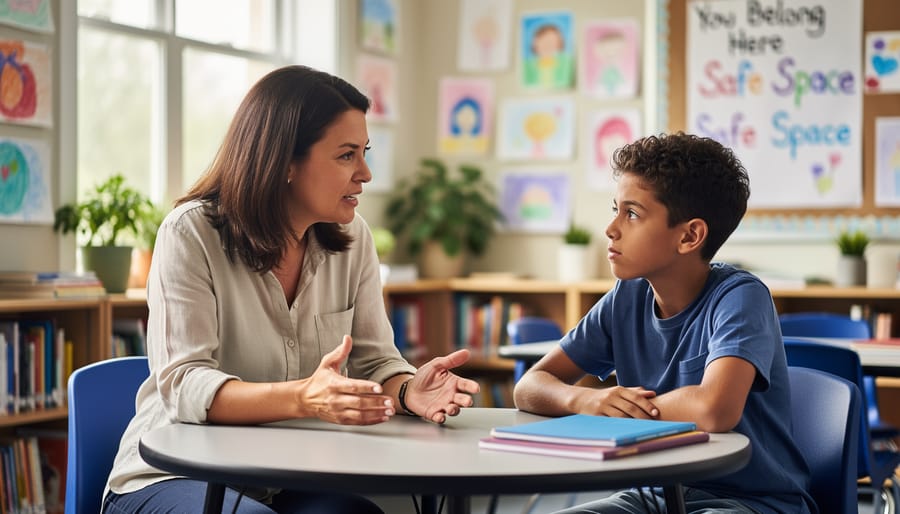
When a student experiences the loss of a family member and faces an inherited home sale, initiating conversation requires careful sensitivity. Begin by creating a private, comfortable space where the student feels safe to share. Use gentle, open-ended questions like “I’ve noticed you seem quieter lately. How are things going?” rather than direct probes about their situation.
Building trust with students facing grief means listening without judgment and validating their emotions. Acknowledge that their feelings about losing both a loved one and a family home are completely normal. Phrases like “It’s okay to feel confused or sad about these changes” help normalize their experience.
Maintain strict confidentiality while coordinating support. Explain to the student who will be informed and why, such as involving a school counselor or connecting their family with community resources. For example, one Ontario school counselor successfully supported a Grade 8 student by establishing weekly check-ins and coordinating with local bereavement services, always keeping the student informed about each step.
Create consistent touchpoints without overwhelming the student. Brief, regular conversations signal your ongoing support while respecting their need for normalcy. Document observations objectively and share only essential information with appropriate personnel, always prioritizing the student’s dignity and privacy throughout this challenging transition.
Flexible Academic Accommodations
Students navigating an inherited home sale following a family loss require thoughtful academic accommodations that recognize their unique circumstances. Educators can implement several practical adjustments to support these students during this challenging period.
Extended deadlines provide breathing room when students need to attend legal appointments, meet with estate professionals, or simply process their grief. Consider offering a two-week extension on major assignments or allowing students to submit work in stages rather than all at once.
Modified attendance policies acknowledge that estate matters often require daytime meetings. A flexible approach might include excusing absences related to property viewings, legal consultations, or family meetings, provided students communicate their needs in advance and complete missed coursework.
Access to quiet spaces during the school day offers students a refuge when emotions become overwhelming. Designating a counselor’s office, library corner, or wellness room where students can decompress between classes demonstrates institutional support.
Temporary academic plans, developed collaboratively with students and families, outline specific supports for a defined period. These might include reduced course loads, pass/fail options for select courses, or adjusted participation expectations. Research shows that students experiencing significant life transitions perform better academically when institutions proactively address their circumstances rather than waiting for failure to occur. Regular check-ins ensure accommodations remain appropriate as situations evolve.
Connecting Students to School and Community Resources
Students experiencing loss and navigating an inherited home sale often need support beyond what classroom teachers can provide. Educators should establish clear referral pathways to school counselors, social workers, and community mental health services. These professionals can offer specialized grief counseling and help families access practical resources during this transition.
School counselors can coordinate with local family support programs that provide legal guidance, financial literacy education, and housing assistance. Many communities offer bereavement groups specifically for children and teens, creating safe spaces where students can connect with peers facing similar challenges. Educators should familiarize themselves with these resources and maintain an updated directory for quick referrals.
Supporting mental health during inherited property transitions requires collaboration between school staff and community agencies. Consider partnering with organizations offering practical assistance like estate planning workshops for families or temporary housing support. School social workers can help families navigate government benefits or connect with legal aid services when needed.
Regular communication between teachers, support staff, and families ensures comprehensive care. Document referrals appropriately while respecting privacy, and follow up to confirm families received needed services. This coordinated approach helps students feel supported throughout their grief journey while addressing the practical challenges of property transitions.
A Framework for Parents: Helping Your Child Through the Transition
Age-Appropriate Communication About Property and Financial Changes
Children at different developmental stages require tailored explanations about selling an inherited home. For elementary-aged students (ages 5-10), use simple, concrete language: “Grandma’s house needs to be sold so the family can take care of important things. This doesn’t change our memories of her.” Focus on consistency in their daily routines and reassure them that their own home remains secure.
Middle school students (ages 11-13) can understand more complexity. Explain the practical reasons: “When someone passes away, their property becomes part of settling their estate. Selling the house helps the family manage finances and responsibilities.” Acknowledge their feelings openly and invite questions, as pre-teens often worry about family stability during transitions.
High school students (ages 14-18) benefit from honest, age-appropriate discussions about the financial and legal process. Share relevant information: “The estate sale involves legal steps and financial decisions that help honor Grandma’s wishes and support our family’s future.” Research shows that transparency, balanced with emotional support, helps older students process grief while developing resilience.
Across all ages, emphasize three key messages: the deceased person’s love remains unchanged, selling property is a normal part of managing an estate, and trusted adults are handling necessary responsibilities. Educators should watch for signs that students need additional support, providing consistent communication between home and school throughout this transition period.

Maintaining Routines and Educational Continuity
During the upheaval of an inherited home sale, maintaining consistent routines provides students with essential stability and predictability. Schools can support this by keeping academic expectations steady while remaining flexible with deadlines when needed. When families face relocation, coordinating transcript transfers, enrollment timelines, and curriculum alignment helps minimize educational gaps.
Communication between previous and new schools ensures continuity in learning plans, especially for students receiving special education services or academic supports. Educators should connect families with guidance counselors who can facilitate smooth transitions and identify potential disruptions before they impact academic progress.
Involving students in age-appropriate decisions empowers them during uncertain times. Younger children might choose which belongings to keep, while older students could participate in discussions about school options if moving becomes necessary. This inclusion validates their feelings and reduces anxiety about lack of control.
Evidence shows that students cope better when adults maintain normal expectations around homework, attendance, and participation while simultaneously offering compassion. Creating consistent check-in opportunities allows educators to monitor wellbeing without singling students out. Simple gestures like maintaining classroom seating arrangements or continuing extracurricular activities preserve normalcy during family transitions.
Partnering with Schools for Comprehensive Support
Effective communication with schools creates a safety net for grieving students navigating inherited home sales. Inform your child’s teacher, school counselor, and principal as soon as possible, ideally within the first week after the loss. Share essential information without overwhelming details: notify them of the death, anticipated timeline for property decisions, and any upcoming appointments that may affect attendance. Be specific about behavioral changes you’ve noticed at home, such as sleep disruptions or emotional outbursts, as students often present differently in school settings.
Request a brief coordination meeting with key staff to establish consistent support strategies. Schools can provide academic accommodations like extended deadlines, a designated safe space for emotional moments, and monitoring by trusted adults. Share practical concerns, such as potential address changes or temporary housing situations, so educators can prepare appropriate transitions. Research shows students cope better when home and school use aligned language and expectations around grief. Ask teachers to alert you to concerning behaviors, while you update them on significant home sale milestones that might trigger emotional responses. This partnership ensures no support gap exists as families navigate both loss and logistical challenges.
Building School-Wide Awareness and Policy
Professional Development for Staff
Educators require specialized training to effectively support students navigating the emotional complexities of inherited home sales following a family loss. Professional development should equip staff with skills to recognize signs of grief-related distress, including changes in academic performance, social withdrawal, or emotional outbursts triggered by discussions of home or family.
Training programs should emphasize culturally responsive practices, acknowledging that grief expressions and attitudes toward property inheritance vary significantly across cultures. For example, some families view keeping ancestral homes as essential, while others prioritize practical considerations. Educators must approach these situations without imposing personal values.
Evidence-based modules should include active listening techniques, de-escalation strategies, and appropriate referral protocols to mental health professionals. Staff benefit from learning how financial transitions compound grief, creating unique stressors for students. Incorporating trust-building activities into classroom practice helps create safe environments where students feel comfortable discussing challenges.
Regular case consultations and peer support groups enable educators to process difficult situations collaboratively while maintaining student confidentiality. Schools should invest in ongoing training rather than one-time workshops, ensuring staff remain current with best practices.
Integrating Financial Family Transitions into Safety Planning
Schools can strengthen their comprehensive safety frameworks by formally recognizing financial family transitions as critical factors in student wellbeing. When developing or updating school safety plans, administrators should incorporate protocols addressing housing instability, inheritance matters, and property sales alongside traditional safety concerns.
Consider establishing a confidential reporting system where teachers and staff can flag students experiencing family property transitions. This creates early intervention opportunities before academic or behavioral concerns escalate. Training staff to recognize signs of housing-related stress—such as frequent absences, difficulty concentrating, or emotional withdrawal—helps identify students who may benefit from additional support.
Collaboration between guidance counselors, social workers, and community partners strengthens response capacity. Schools might develop resource lists of local legal aid services, grief counselors, and housing support organizations that families can access during property transitions. Some districts have successfully integrated financial literacy components into their wellbeing programs, helping students understand complex family changes in age-appropriate ways.
Documentation protocols should respect family privacy while ensuring appropriate supports reach affected students. This balanced approach acknowledges that true school safety extends beyond physical security to encompass the emotional and practical challenges students face during significant life transitions.
Student safety encompasses far more than secure building perimeters and emergency protocols. True wellbeing requires that we recognize and respond to the emotional and economic challenges students face during family transitions. When a student experiences the loss of a loved one followed by an inherited property sale, they confront grief layered with uncertainty about their living situation, financial stability, and future. These stressors directly impact academic performance, mental health, and sense of security within the school community.
Educators and administrators occupy a unique position to notice when students are struggling and to provide meaningful support. By fostering open communication, connecting families with appropriate resources, and creating flexible academic accommodations, schools demonstrate that every student matters beyond test scores. This compassionate approach builds trust and resilience.
Supporting students through inherited home sales may seem outside traditional educational mandates, yet it reflects our collective responsibility to nurture the whole child. When schools partner with families, community organizations, and counseling services during these difficult transitions, we create safety nets that help students navigate instability. This comprehensive vision of student support acknowledges that children learn best when their fundamental needs for stability and emotional security are met. Together, we can ensure no student faces these challenges alone.