What Are the Effects of Bullying on Students (and How Do They Impact Learning)?

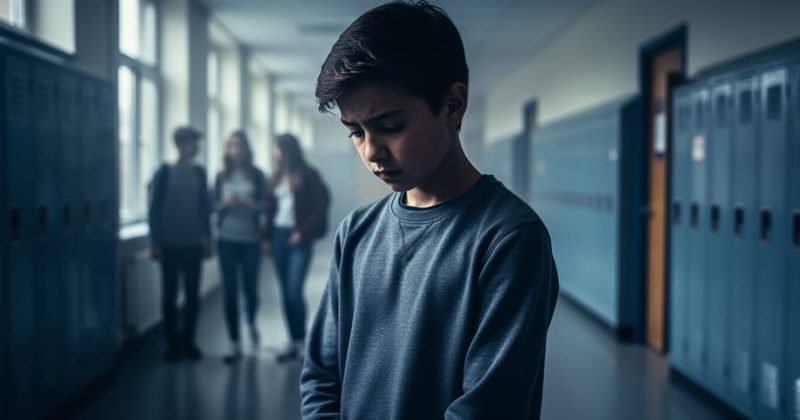
Bullying is repeated, intentional behavior meant to harm, intimidate, or exert power over another person, and its consequences reach far beyond the immediate moment of cruelty. Whether it unfolds in hallways, classrooms, or online, bullying damages students in ways that affect their learning, their mental well-being, and their ability to connect with others. For educators and parents across Canada, understanding these effects is the first step toward creating safer, more supportive school environments. When students experience bullying, the harm doesn't end when the school bell rings. Research shows that victims often struggle academically, face anxiety and depression, and withdraw from peers at precisely the stage of life when friendships and confidence matter most. The ripple effects can last years, shaping how young people see themselves and their place in the world. This article examines three core effects of bullying: academic decline, mental health struggles, and social isolation. Each section explains how bullying creates these harms, the warning signs adults should watch for,...
Read More
How to Have Good Gut Health: Evidence-Based Steps for Students and Educators

How to Have Good Gut Health: Evidence-Based Steps for Students and Educators

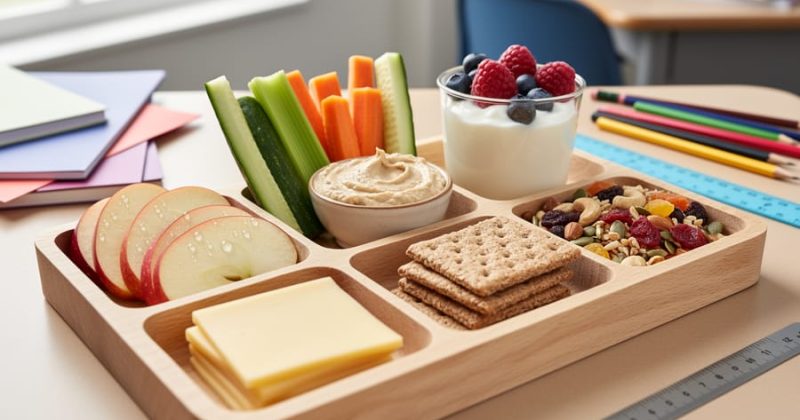
Good gut health starts with feeding the trillions of beneficial bacteria in your digestive system through a balanced diet rich in fibre, fermented foods, and diverse plant sources while limiting ultra-processed foods and managing stress. The process takes consistency rather than perfection, typically showing noticeable improvements in digestion, energy, and even mood within two to four weeks of sustained changes. For educators and parents supporting student wellness, understanding gut health matters because emerging research continues to reveal strong connections between digestive health and mental well-being, immune function, and academic performance. The gut microbiome, the complex community of microorganisms living in our intestines, influences far more than digestion. Studies suggest it plays a role in regulating mood, focus, and stress response, all critical factors in creating safe classroom relationships and supporting student success. The International Scientific Association for Probiotics and Prebiotics (ISAPP) defines probiotics as live microorganisms that confer health benefits when consumed in adequate amounts, while prebiotics are food components that beneficial...
Read More
What Are the Consequences of Bullying on the Bully? (And How These Effects Shape Their Future)

What Are the Consequences of Bullying on the Bully? (And How These Effects Shape Their Future)

Bullying consequences don't end with the victim. Students who engage in bullying behavior face significant developmental, social, and long-term risks that can derail their own well-being and future success. While Canadian schools rightly focus on supporting those who are targeted, research consistently shows that children and adolescents who bully others are themselves at heightened risk for academic struggles, mental health challenges, substance use, and involvement with the justice system as they move into adulthood. Understanding these consequences matters for everyone committed to safe, supportive learning environments. When educators and parents recognize that bullying behavior signals underlying problems and predicts future difficulties for the student doing the bullying, intervention shifts from purely disciplinary to developmental. This perspective doesn't minimize the harm caused to victims or excuse the behavior. Rather, it acknowledges a reality: students who bully need support and skill-building to change their trajectory, and schools have an opportunity to interrupt patterns that lead to serious negative outcomes. The evidence base is clear....
Read More
How Classroom Safety Training Protects Students When Emergencies Strike

How Classroom Safety Training Protects Students When Emergencies Strike

Establish a comprehensive baseline assessment of your school's current safety protocols by conducting walkthroughs with staff, students, and local emergency responders to identify gaps in emergency preparedness. Document evacuation routes, lockdown procedures, and communication systems, then compare findings against provincial safety standards to create a prioritized action plan. Develop role-specific training modules that address the distinct needs of teachers, support staff, and administrators. Teachers require hands-on practice with lockdown procedures and crisis communication with students, while custodial staff need training on secure entry points and facility management during emergencies. Each module should include scenario-based exercises that reflect your school's unique layout and community context. Schedule quarterly drills that go beyond traditional fire evacuations to include lockdown, shelter-in-place, and medical emergency scenarios. Research from Canadian schools demonstrates that repeated, realistic practice reduces panic and improves response times by up to 40 percent. Involve local police and paramedics in these exercises to build relationships and refine coordination protocols. Create trauma-informed training components that equip educators...
Read More
When Home Becomes Homework: Supporting Students Through an Inherited Property Sale

When Home Becomes Homework: Supporting Students Through an Inherited Property Sale

Recognize subtle behavioral changes in students experiencing grief from a family death and inherited property transitions. When a student loses a grandparent or parent, the subsequent need to sell the family home through services like Property Saviour compounds emotional distress with practical upheaval. Watch for declining academic performance, social withdrawal, increased absences, or heightened anxiety during class discussions about family or housing. Create a confidential support system by designating a trusted staff member as the student's primary contact. This individual should check in weekly, offer flexible deadlines during peak transition periods, and coordinate with other teachers to maintain consistency. Evidence shows that predictable routines and identified safe adults significantly reduce trauma responses in grieving students. Establish communication protocols with guardians managing estate matters. Request advance notice of court dates, property viewings, or moving timelines that may require student absences. This partnership allows schools to prepare alternative assignments and prevent academic penalties during unavoidable disruptions. Provide tangible resources including grief counseling referrals, age-appropriate literature...
Read More
How to Help High School Students to Overcome Test Anxiety

How to Help High School Students to Overcome Test Anxiety

High school students often grapple with test anxiety, a pervasive issue that can significantly hinder their academic performance and overall well-being. Teachers, as pivotal figures in the educational journey, have the unique opportunity and responsibility to aid students in navigating and overcoming this daunting obstacle. One innovative and effective strategy to mitigate the effects of test anxiety involves the integration of review games for high school into the teaching curriculum. These interactive and engaging games can serve to make the learning process more enjoyable and less intimidating for students. Recognize the Signs The ability of teachers to promptly and accurately identify students suffering from test anxiety is paramount in providing the necessary support and interventions. Test anxiety manifests in a variety of ways, ranging from psychological symptoms such as restlessness, difficulty concentrating, and pervasive negative thoughts about impending tests to physical symptoms including headaches, stomach aches, and increased heart rate. Recognizing these signs at an early stage enables teachers to address the...
Read More
How to Build Trust With Students

How to Build Trust With Students

The teacher-student relationship is among the most important in a student's life. It can be a deciding factor in whether a student feels successful and happy in school or not. A trusting relationship between teacher and student is based on mutual respect and open communication. When trust is absent, the relationship quickly becomes strained and difficult. Ways to Build Trust With Students There are many things that teachers can do to build trust with their students. One of the most important is to be consistent. Be Consistent If you say you're going to do something, do it. If you tell students you'll be available at a certain time, be available then. Breaking promises, no matter how small erodes trust. Equally important is being consistent in your expectations and consequences. If students know what to expect from you, they're more likely. This means being fair in your expectations and treatment of students and following through on your promises. Listen Another important way to build trust is to listen to...
Read More
Top 5 Trust-Building Games for Kids and Teenagers

Top 5 Trust-Building Games for Kids and Teenagers

Trust-building is one of those activities mainly associated with corporate team building. However, classroom games on this list are also super-important as they can profoundly impact their development. Here are five trust-building games for kids and teenagers: #1 Trust Fall There is a good chance you've seen this trust exercise in a movie, TV show or maybe experienced it in a corporate retreat. It is a classic trust exercise still used to build trust and confidence among adults, children, and teenagers. But, because it requires catching, it is not recommended to be practiced with young children. First, the group is divided into pairs. Then one of the partners will stand facing away from the other one. After giving the signal, the partner standing in front of the other will fall backward. The partner standing behind the one that falls back must catch them and ensure that it doesn't hit the ground. At first, they are close to each other. The next time they try the...
Read More
What to Learn Before Giving Your Child CBD Oil

What to Learn Before Giving Your Child CBD Oil

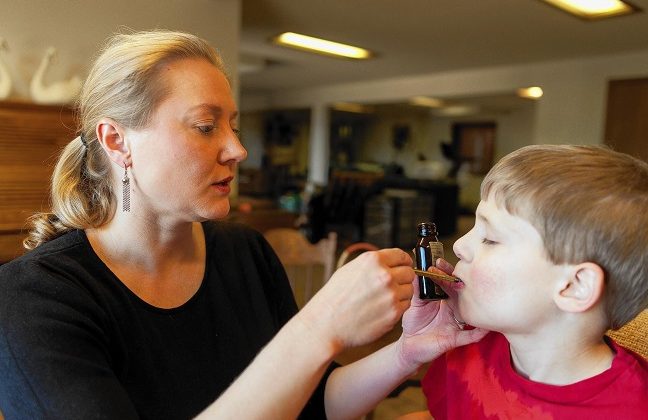
Cannabis and CBD oil have been proven to provide a variety of medical benefits, most notably in the treatment of pediatric epilepsy. In this recommended reading, It is also widely available in a variety of forms, ranging from solutions to chewable sweets. Even so, numerous parents are concerned about the consequences of feeding their kids CBD during school. CBD will not get your children intoxicated. Likewise, many parents advocate the herb for its medicinal effects in treating disorders, including ADHD, seizures, spasms, and other impairments in children. When consuming CBD on school property, there are many distinct levels of concern at stake. Cannabis usage for minors may well be tolerated in mandated states. Nonetheless, many local school rules ban the use of CBD on their students. Is CBD Safe for Kids? Hemp plants have been utilized for therapeutic purposes for millennia all over the world. The main issue is that there is still a lot we must learn, especially concerning children. There is a...
Read More
How to Support Your Child’s Mental Health in School

How to Support Your Child’s Mental Health in School

To build a good foundation for your child's mental health, you need to stay on top of their emotional development early in their life. This is especially important since 70% of mental health issues start during a child’s early and adolescent years. However, it goes without saying that raising a child and securing their mental wellbeing is not an easy task. It's not just about encouraging them to make friends and asking them how their day went. You also need to make sure that your child achieves holistic development and excels in other aspects of their life. While you can directly steer your child’s mental growth in the right direction at home, what can you do when your child is at school and away from you? Below, we discuss how you can support your child’s mental health at school. Enforce Healthy Study Habits Putting unnecessary pressure on your child to do better in school is detrimental to their mental health. Of course, parents...
Read More