
Building relationships with students is the single most powerful strategy educators have to improve learning outcomes, reduce behavioral issues, and create truly safe school environments. When students feel known, valued, and connected to their teachers, they are more likely to engage academically, seek help when struggling, and speak up about safety concerns. The practice requires intentional effort and consistent implementation, but the evidence is clear: positive student-teacher relationships directly correlate with improved attendance, higher achievement, and reduced incidents of bullying and violence.
Research conducted across Canadian schools consistently shows that students who report having at least one strong adult relationship at school demonstrate greater resilience, better mental health outcomes, and increased feelings of belonging. These connections serve as protective factors, particularly for students facing challenges at home or in their communities. In 2026, as schools continue to address complex safety concerns alongside diverse learning needs, relationship-building has moved from a nice-to-have teaching quality to an essential foundation of effective education.
The challenge many educators face isn’t recognizing the importance of these relationships but finding practical ways to build them within the constraints of large class sizes, packed curricula, and limited time. A Grade 9 teacher with 150 students across five classes needs different strategies than an elementary educator who sees the same 25 students all day. Yet both can create meaningful connections through deliberate, evidence-based approaches that fit within their existing routines.
This article provides concrete strategies that work in real classrooms, addressing both why relationships matter for student safety and well-being and how to build them authentically without adding unsustainable workload to already stretched educators.
Why Student Relationships Matter More Than Ever in 2026
The stresses Canadian students face in 2026 look different than they did even five years ago. Mental health crises that once emerged primarily in adolescence now surface in elementary classrooms. Students who spent formative years navigating lockdowns and screen-heavy learning carry social gaps that don’t simply resolve once classrooms return to normal operation. Anxiety, depression, and feelings of disconnection persist at rates educators have never encountered before, fundamentally changing what students need from the adults around them.
When students feel isolated or overwhelmed, they rarely raise their hands to announce it. Instead, they withdraw, act out, or struggle silently until a crisis forces intervention. Building relationships with students creates the bridge between hidden distress and timely support. A student who trusts their teacher sees them as someone safe to approach when thoughts turn dark, when peer conflicts escalate, or when home situations become unbearable. Without that foundation of trust, warning signs go unnoticed and small problems grow into serious safety threats.
The connection to violence prevention runs deeper than many realize. Students perpetrating harm almost always show concerning behaviors first. Peers often know about threats, weapons, or plans to hurt others before adults do. But students only share this information when they believe an adult will take them seriously, protect their safety, and respond appropriately. Relationships become the early warning system schools desperately need.
Relationship-building is not a soft skill separate from safety work. It is the infrastructure that allows every other intervention to function. Students cannot learn in spaces where they feel invisible, misunderstood, or unsafe. They cannot access mental health supports if they distrust the adults offering them. Every meaningful safety outcome begins with a student feeling seen and valued by someone who shows up for them consistently.
The Trust-Building Foundations Every Educator Needs
Consistency Creates Safety
Students thrive when they can predict what comes next. When you establish consistent routines, from how you start class to how you respond when someone struggles, you’re sending a clear message: this space is stable, and you’re dependable. That predictability helps students relax enough to take academic risks and ask for help.
Consistency doesn’t mean rigidity. It means students know what to expect from you. If you promise to check in on Friday about their project, actually do it. If you say disruptive behavior means a quiet conversation, not public calling-out, follow through every time. Routines create predictability that reduces anxiety and frees mental energy for learning.
Your emotional consistency matters just as much. Students need to know that a bad day won’t make you unpredictable or harsh. They watch how you handle frustration, mistakes, and stress. When your reactions stay measured and fair, even when you’re tired, you become someone they trust. That trust opens the door to genuine connection, which forms the bedrock of building relationships with students that keep them safe and engaged.
Authenticity Over Perfection
Students can spot performative teaching from across the room. When you pretend to have all the answers or project an image of flawless authority, you create distance rather than connection. Real relationships form when students see you as a human being who cares enough to be honest.
Admitting mistakes models the resilience you want students to develop. When you catch an error in an assignment explanation or realize you misjudged a situation, acknowledging it directly shows students that making mistakes doesn’t diminish your competence or worth. A simple “I got that wrong yesterday, let me correct it” demonstrates accountability without drama. Students learn more from watching you recover gracefully than from believing you never stumble.
Showing appropriate vulnerability means sharing enough of yourself to be relatable without burdening students with personal problems. Mentioning that you also find public speaking nerve-wracking, or that you struggled with similar math concepts as a student, helps them see their challenges as normal rather than shameful. The key word is appropriate: your role remains educator and trusted adult, not peer or friend seeking support.
This authenticity creates permission for students to be imperfect too. When they believe you accept them as works in progress rather than demanding polished performance at all times, they take more intellectual risks, ask questions without fear of judgment, and come to you when they genuinely need help.
Respecting Student Identity and Voice
Students build trust with educators who see them, really see them, as complete people, not just test scores or behavioral data points. When you acknowledge a student’s perspective even if you disagree, when you pronounce their name correctly after they’ve corrected you, when you notice they seem quieter than usual and check in privately, you signal that their identity matters in your classroom.
Honoring student voice means creating regular opportunities for them to weigh in on decisions that affect their learning experience. This might look like offering choice in assignment formats, asking for input on classroom norms, or pausing to invite questions before moving forward with new material. It doesn’t require consensus on every decision, but it does require genuine listening and transparent explanations when their preferences can’t be accommodated.
Make space for students to bring their whole selves by avoiding assumptions about their backgrounds, abilities, or aspirations. A student who shares something personal is trusting you with vulnerability. Your response, whether it’s validating their experience, asking a respectful follow-up question, or simply saying “thank you for telling me”, either strengthens that trust or signals they should keep important parts of themselves hidden. In safe classrooms, students know their identities aren’t obstacles to overcome but strengths to recognize.
Practical Strategies for Building Connections Daily
The First Five Minutes Matter
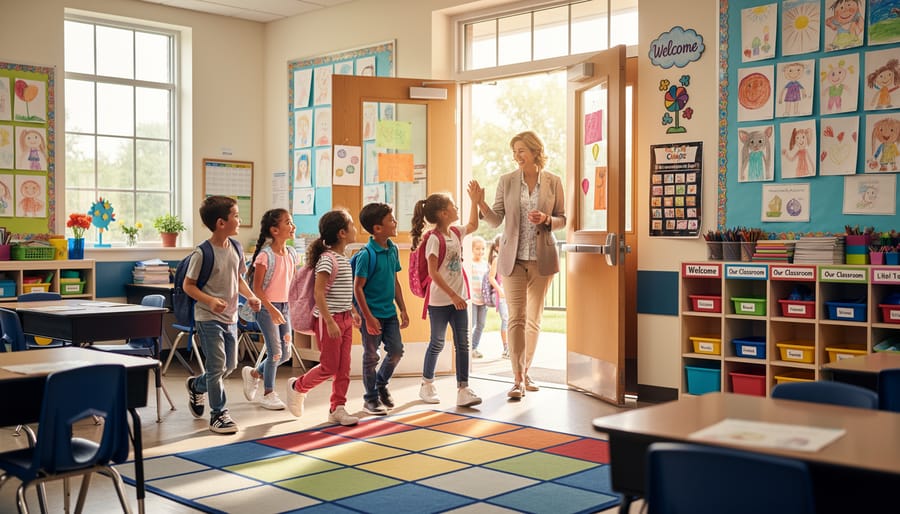
The moments when students enter your classroom offer your most reliable daily opportunity for one-on-one connection. Standing at the door, making eye contact, and offering a genuine greeting to each student by name transforms what could be a chaotic transition into a series of micro-relationships. This small act signals that you see them as individuals before the teaching even begins.
Use these first minutes to notice. A quick “How was practice yesterday?” or “Did your sister feel better?” shows you remember what matters to them. For quieter students, a simple smile and nod can feel safer than forced conversation while still communicating “I’m glad you’re here.”
Have something visible at the door, a question of the day, a photo to discuss, a simple “Choose your mood” check-in chart, that gives nervous students a focus point and creates natural conversation starters. The goal isn’t elaborate systems; it’s consistent presence that says “You matter” before academic demands begin.
When students arrive to a teacher who is present, attentive, and genuinely pleased to see them, they enter class with their guard slightly lower and their willingness to engage slightly higher. That posture shift makes everything that follows more possible.
Learning What Matters to Them
Discovering what matters to your students does not require formal surveys or intrusive questioning. Start with simple observation during unstructured moments. Notice what students talk about before class starts, what they draw in notebook margins, or which topics spark energy during discussions. These glimpses reveal genuine interests far more reliably than direct questions that might feel like an interview.
Informal check-ins work best when woven naturally into existing routines. Comment on a student’s T-shirt logo or ask about a book they are reading. Reference something they mentioned last week to show you remembered. These brief exchanges signal that you see them as whole people, not just learners in seat 14.
Listen for what students do not say as much as what they do. A student who always deflects personal questions might open up through writing. Another might share more during hands-on activities than circle time. Adjust your approach to match their comfort level rather than forcing a single method.
Keep notes if it helps you remember details across 30 or 130 students. Jot down a hobby, a sibling’s name, or an upcoming event they mentioned. Referring back to these specifics during future conversations demonstrates consistent interest and strengthens your connection over time without requiring grand gestures.
Creating One-on-One Moments in Group Settings
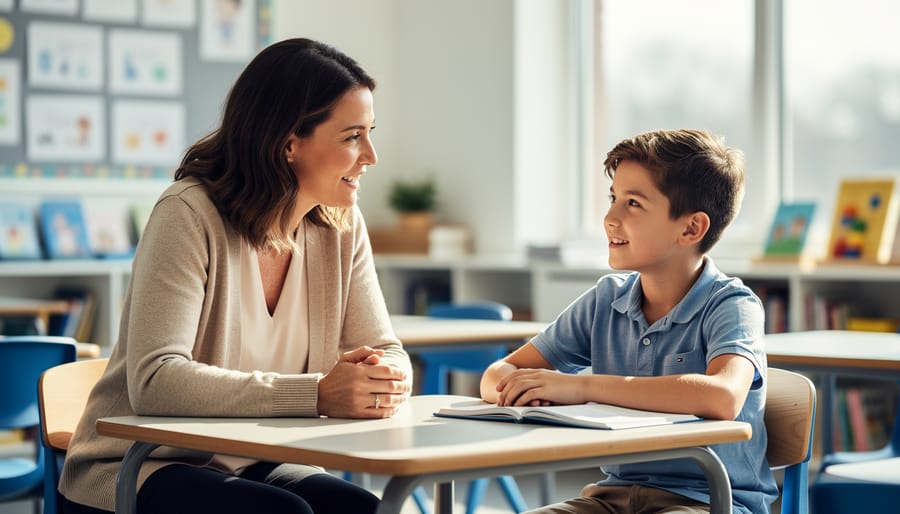
Large classes don’t eliminate one-on-one connection, they just require intentional design. While you teach the group, create micro-moments that let individual students feel seen.
Circulate during independent work and pause for ten-second exchanges. Ask a quick question about someone’s weekend plans or notice new shoes. These aren’t interruptions; they’re relationship deposits that take seconds but signal “I see you as a person, not just a student.”
Use transition times strategically. As students enter or pack up, position yourself where you can greet or briefly check in with three to five different students each day. Rotate through your roster intentionally so everyone receives individual attention across a week or two, not just the loudest voices.
Differentiate your feedback. Rather than generic “good work” on every paper, write one specific observation that shows you actually read what this particular student created. Noticing details builds trust faster than blanket praise.
During whole-class discussions, follow up individually afterward with students whose ideas didn’t get full airtime. A quick “I wanted to hear more about what you said earlier” validates their contribution and opens space for deeper conversation later. These aren’t grand gestures, they’re consistent small acts that, over time, build the relationships students need to feel safe enough to learn.
Responsive Communication That Shows You Care
When a student shares something with you, your response matters far more than you might realize. A rushed “That’s nice” signals disinterest, while a thoughtful reply can transform a tentative connection into genuine trust.
Start by pausing. Put down your marker, turn toward them, and offer your full attention for even just ten seconds. This brief moment communicates that you value what they’re saying. Then reflect back what you heard: “So you’re frustrated because the group work isn’t going well” or “It sounds like you’re really excited about that soccer tournament.” This simple technique, called active listening, shows students you’re genuinely processing their words, not just waiting for your turn to talk.
When students share challenges, resist the urge to immediately problem-solve or minimize. A student who says “I’m stressed about this assignment” doesn’t need to hear “It’s not that hard.” Instead, try “That sounds overwhelming. What part feels most difficult right now?” You’ve acknowledged their feeling and opened space for deeper conversation.
For written communication, whether in journals, assignments, or emails, respond to the person behind the words. If a student writes about struggling at home, don’t just grade the grammar. Add a brief note: “Thanks for trusting me with this. I’m here if you need support.” These small acknowledgments build relationships with students by showing their experiences matter beyond academic performance.
Rebuilding Relationships When Trust Is Broken
Even the strongest educator-student connections can fracture. A miscommunication, a discipline moment that felt unfair, a promise you couldn’t keep, or a clash during a difficult day, these ruptures happen. What matters isn’t avoiding them entirely, but knowing how to repair them. When handled well, relationship repair actually strengthens trust and teaches students a powerful lesson: relationships can survive conflict and become healthier afterward.
Acknowledge What Happened Without Excuses
Students know when something has gone wrong between you. The first step is naming it directly. “I was frustrated yesterday and didn’t listen to your side of the story. That wasn’t fair to you.” Keep it simple and specific. Students respect honesty far more than elaborate justifications. If you made a mistake, say so clearly. If the situation was complex, acknowledge their experience without dismissing it. This models the accountability you’re teaching them to practice.
Create Space for Their Perspective
After acknowledging the rupture, ask what it felt like from their side. Then listen without defending yourself or correcting their feelings. A student might say, “You embarrassed me in front of everyone.” Your job isn’t to explain why you had to address the behavior publicly, it’s to understand the impact. “That makes sense. I can see why that felt embarrassing” validates their experience and opens the door to rebuilding.
Discuss What You’ll Both Do Differently
Repair isn’t complete without a plan forward. What will you do differently next time? What might help them handle similar situations better? This shifts from blame to problem-solving and reinforces that you’re working together. It might sound like: “Next time I need to address something, I’ll speak with you privately first. And if you’re feeling frustrated, you can signal me and we’ll take a break to talk.”
Follow Through Consistently
The real test comes in your next interactions. Students watch closely to see if you meant what you said. Greet them warmly the next day. Honor the plan you made together. Let your consistent follow-through prove that the relationship mattered enough to repair, and that it’s now stronger because you worked through the difficulty together.
Supporting Relationship-Building Across Your School
Relationship-building can’t rest solely on individual teachers’ shoulders. School leaders create the conditions that make meaningful connections possible, or impossible. When administrators prioritize relationships at a systems level, they signal that knowing students isn’t a luxury for teachers with extra time; it’s core work that deserves structural support.
Start by examining your schedule. Do teachers have advisory periods, homeroom time, or consistent small-group moments built into the day? These aren’t frills. They’re relationship infrastructure. A teacher managing 150 students in 75-minute blocks faces vastly different challenges than one seeing 25 students daily in advisory. If your schedule doesn’t create natural connection points, you’re asking staff to build relationships on borrowed time.
Professional development matters, but make it practical. Teachers don’t need another workshop on why relationships matter, they need protocols for check-ins that fit real classrooms, sentence stems for difficult conversations, and strategies for connecting with students who push away. Bring in educators doing this work successfully in schools like yours. Create peer observation opportunities so staff can see relationship-building in action, not just hear about it in theory.
Consider these school-level supports that enable consistent relationship-building:
- Reduced class sizes or advisory groups that allow educators to know each student individually
- Dedicated time in staff meetings for discussing students holistically, not just academic performance
- Protection of lunch periods, recess, and transition times where informal connections happen naturally
- Resources for culturally responsive practices that help staff connect across difference
- Systems for tracking which students lack strong adult connections so no one falls through gaps
Budget decisions reveal priorities. Allocating funds for relationship-building, whether for advisory curriculum, mentorship programs, or additional support staff, tells your team this work is valued. So does protecting time. When you cancel advisory for test prep or cut recess to extend instruction, you’re communicating that relationships are secondary.
Monitor the work, but measure what matters. Which students have a trusted adult in the building? Are marginalized students experiencing the same quality of relationships as their peers? Track these questions alongside academic data. A school where students feel genuinely known by staff will show it in attendance, behavior referrals, and ultimately, safety outcomes.
Building relationships with students isn’t something you do after addressing safety concerns or once the curriculum is covered. It’s the work that makes everything else possible. When students trust you, they tell you when something’s wrong. They ask for help before a situation escalates. They take the academic risks that lead to real learning.
Every morning greeting, every response to a question, every moment you choose to listen rather than lecture, these aren’t interruptions to your real work. They are the work. The five-year study from the Canadian Safe School Network found that schools with strong student-educator relationships saw 60% fewer behavioral incidents and significantly higher rates of students reporting safety concerns to trusted adults.
You don’t need a perfect relationship with every student or hours of extra time you don’t have. Start with one small change: learning three students’ names you don’t know well, spending two minutes at the door each morning, or responding to one student’s writing with a personal comment instead of just a grade.
The relationships you build today create the safe classroom your students need tomorrow. Some days you’ll get it right. Other days you won’t. What matters is that you keep showing up, keep trying, and keep believing that connection comes before content. Your students are counting on it, whether they can say so or not.