
Student success depends on sustained energy and focus throughout the school day. The five most nutritious snacks for school settings are fresh fruit, vegetable sticks with hummus, whole grain crackers with cheese, plain yogurt with berries, and trail mix combining nuts and dried fruit. These options deliver sustained energy, support concentration, and require minimal preparation, making them practical for busy educators and families.
Nutrition directly influences learning outcomes. When students experience blood sugar dips between meals, their ability to focus, participate, and regulate emotions diminishes. Schools that prioritize consistent access to healthy snacks create environments where students can engage fully with learning. This approach complements other foundational supports like safe classroom relationships that contribute to overall student well-being.
The challenge lies in identifying snacks that balance nutrition with practicality. Many packaged options marketed to children contain excessive sugar and sodium while offering little nutritional value. Conversely, some healthy alternatives require refrigeration, preparation time, or ingredients that may not be accessible to all families. The snacks outlined below meet specific criteria: they provide protein or fiber to sustain energy, accommodate common dietary restrictions, store well in classroom or locker settings, and remain affordable for most school budgets.
Understanding why these specific snacks work helps educators and parents make informed choices beyond this list. The selection criteria focus on nutrients that directly support cognitive function and stable energy levels rather than relying on simple carbohydrates that cause rapid spikes and crashes. Each option also considers the realities of school environments where refrigeration may be limited and preparation time is scarce.
Why These Five Snacks Were Chosen

The five snacks featured in this article were selected using criteria that reflect both nutritional science and the practical realities of Canadian school environments. Each choice balances what students need nutritionally with what families and schools can realistically provide.
- Nutrient density, particularly protein, fiber, and healthy fats that sustain energy and concentration
- Accessibility and affordability for families across different income levels
- Ease of preparation and portability for busy mornings and school lunch boxes
- Allergen awareness, with alternatives provided for common sensitivities
- Alignment with evidence-based nutrition guidelines that support student well-being
These criteria work together to identify snacks that genuinely serve students. Nutrient density matters because children need sustained energy throughout the school day, not the quick spike and crash that comes from high-sugar options. Protein, fiber, and healthy fats slow digestion and help maintain stable blood sugar levels, which supports both physical energy and mental focus.
Accessibility proved equally important. A snack can’t support student well-being if families can’t afford it or schools lack the facilities to store it properly. The options here work for families preparing snacks at home with basic kitchen equipment and generally remain affordable even when budgets are tight. Each snack also travels well in a lunch box and holds up at room temperature for at least a few hours, accommodating schools with limited refrigeration.
Allergen considerations shaped the final selection. Food allergies affect many Canadian students, and schools need options that minimize risk while maximizing inclusion. Where a snack contains common allergens like nuts, alternatives are provided that deliver similar nutritional benefits.
1. Apple Slices with Nut or Seed Butter
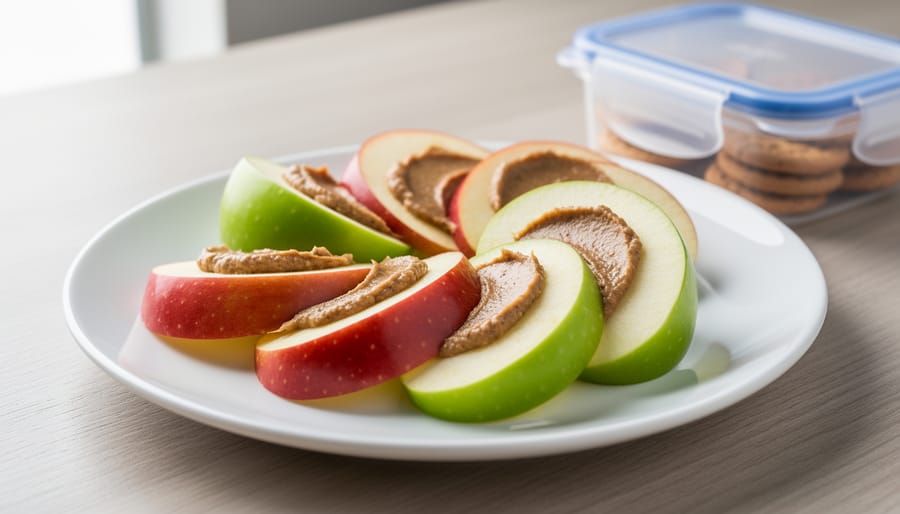
Apple slices paired with nut or seed butter create a satisfying snack that combines three essential nutrients: fiber from the fruit, protein from the butter, and healthy fats that slow digestion. This combination helps students maintain steady blood sugar levels rather than experiencing the spike-and-crash pattern common with sugary snacks. When energy releases gradually, students can better sustain attention during lessons and participate actively in classroom activities.
The fiber in apples supports digestive health while creating a feeling of fullness that lasts beyond first recess. Meanwhile, the protein and healthy fats in nut butters provide building blocks for brain function and help students feel satisfied until their next meal. Together, these nutrients support the sustained focus needed for learning.
For schools with nut-free policies, sunflower seed butter offers similar nutritional benefits without allergen concerns. This alternative contains comparable amounts of protein and healthy fats, making it an equally nutritious choice that keeps all students safe.
Parents packing this snack can prevent apple slices from browning by brushing them lightly with lemon juice or briefly soaking them in cold water with a squeeze of lemon. Pack the butter in a small container rather than pre-spreading it, which keeps the apple slices crisp and makes the snack more appealing when lunchtime arrives. This simple preparation takes minutes but delivers nutrition that supports learning throughout the morning.
2. Cheese and Whole Grain Crackers

Cheese and whole grain crackers deliver a reliable combination of protein and calcium that supports both physical development and mental stamina. A serving provides building blocks for strong bones and teeth while offering sustained energy that helps students maintain focus between meals.
This snack works particularly well for families managing tight grocery budgets. Both cheese and crackers have long shelf lives, and purchasing blocks of cheese to slice at home costs less than pre-packaged portions. Many schools with breakfast or snack programs find this option stretches their resources while meeting nutritional goals.
The portability makes it ideal for lunch boxes and backpacks. Individually wrapped cheese portions stay fresh without refrigeration for several hours, though an ice pack helps maintain quality. Pair cheese with crackers made from whole wheat, oats, or other whole grains rather than refined flour. Read ingredient labels carefully, the first ingredient should be a whole grain, and added sugars should be minimal or absent.
For students who can’t consume dairy, fortified plant-based cheese alternatives provide similar benefits. Some schools keep a supply of shelf-stable crackers and individually wrapped cheese portions for students who arrive hungry or forget their snacks. These small provisions support both nutrition and learning readiness, creating an environment where all students can focus on their education.
3. Vegetable Sticks with Hummus
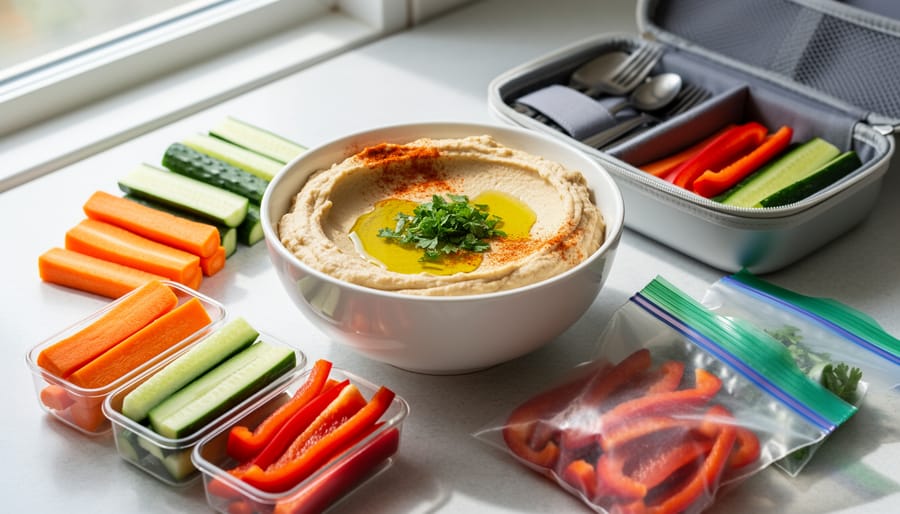
Vegetable sticks paired with hummus deliver a powerful nutritional combination that keeps students energized and focused. Bell peppers, carrots, cucumbers, and celery provide essential vitamins A and C alongside fiber that supports steady blood sugar levels throughout the afternoon. Hummus contributes plant-based protein and healthy fats from tahini, creating a satisfying snack that prevents the mid-morning energy crash many students experience.
The variety of colors in vegetables signals different nutrient profiles. Orange carrots offer beta-carotene for eye health and immune function, while red peppers provide more vitamin C than citrus fruits. This diversity supports overall health and helps students develop positive relationships with whole foods.
Keeping hummus cool presents the main packing challenge. A small ice pack in an insulated lunch bag maintains safe temperatures until snack time. Pre-portioned hummus containers with attached compartments for vegetables eliminate mess and make this option more accessible for younger students.
Schools can support this snack choice by ensuring classrooms have adequate refrigeration for students who need it. Some schools designate a shared fridge for perishable snacks, reducing barriers for families without insulated bags. When schools normalize vegetable-based snacks through nutrition education and supportive policies, students are more likely to choose these options independently. This reinforces healthy habits that extend beyond the school day into lifelong patterns.
4. Greek Yogurt with Berries

Greek yogurt delivers roughly double the protein of regular yogurt, helping students maintain steady energy and focus during morning classes or afternoon activities. When paired with fresh or frozen berries, this snack combines muscle-building protein with gut-supporting probiotics and antioxidants that protect growing bodies from cellular stress. The live cultures in yogurt support digestive health, which emerging research connects to improved mood regulation and cognitive function, factors that directly influence how students feel and behave throughout the day.
From a practical standpoint, this snack works well in schools with reliable refrigeration. Parents can pack it in insulated lunch bags with ice packs, and many Canadian schools now provide fridge access for students who bring perishable items. Berries add natural sweetness without the blood sugar spike of processed snacks, and frozen berries work just as well nutritionally while often costing less and lasting longer.
For students who are lactose-intolerant or follow plant-based diets, non-dairy yogurts made from coconut, almond, or soy offer similar benefits. Look for versions with live cultures and at least 5 grams of protein per serving. Some families find that even students who typically avoid dairy can tolerate Greek yogurt because the straining process removes much of the lactose. Check ingredient lists to avoid options loaded with added sugars, plain yogurt with fresh fruit provides better sustained energy than sweetened varieties that can trigger afternoon energy crashes.
5. Hard-Boiled Eggs

Hard-boiled eggs offer a complete protein source packed with all nine essential amino acids needed for growth and brain development. One large egg provides about six grams of protein alongside choline, a nutrient that supports memory and cognitive function, both valuable for maintaining focus during classroom activities. The combination of protein and healthy fats helps stabilize blood sugar levels, reducing the energy dips that can affect concentration and behavior throughout the morning or afternoon.
The convenience of batch preparation makes hard-boiled eggs practical for busy families. Preparing a dozen eggs on Sunday evening provides grab-and-go options for the entire week. When stored properly in the refrigerator, hard-boiled eggs remain safe to eat for up to seven days, giving parents flexibility in packing school lunches. This extended shelf life also reduces food waste, stretching household budgets further.
For families navigating financial constraints or food insecurity, eggs represent one of the most affordable protein options available. Their low cost per serving, combined with widespread availability, makes nutritious snacking accessible across different income levels. Schools supporting students through breakfast or snack programs often include hard-boiled eggs because they require minimal preparation space, no specialized equipment, and accommodate various dietary needs while avoiding many common allergens like nuts and gluten. This accessibility helps ensure all students can benefit from sustained energy and the nutrients needed for successful learning.
Supporting Healthy Snacking in Your School
Creating environments that support nutritious snacking requires intentional policies and infrastructure. Start by establishing clear allergy protocols that protect students while preserving dignity, communicate through newsletters and orientation sessions rather than singling out individual students. Schools need adequate refrigeration in classrooms or communal areas so families can confidently send perishable options like yogurt or hummus without food safety concerns.
Share resources with families through parent councils or community partnerships, many public health units offer free nutrition workshops and guides. Work with your student support team to identify families experiencing food insecurity and connect them discreetly with breakfast programs, snack subsidies, or community food banks. Some schools establish “sharing tables” where unopened snacks students don’t want can be redistributed rather than wasted.
Consider appointing nutrition champions among staff who can answer questions, coordinate snack programs, and model healthy choices without judgment. When schools approach nutrition as supportive infrastructure rather than individual responsibility, every student benefits regardless of their family’s circumstances or knowledge.
Common Questions About School Snacks and Nutrition
Schools and families working together to provide nutritious snacks often have practical questions about implementation. Understanding how to navigate common concerns helps create safer, more inclusive environments where all students can access healthy options.
How should schools handle food allergies safely?
Establish clear communication channels between families and staff, maintain updated allergy lists accessible to all supervising adults, designate allergen-free zones when needed, and teach students about the importance of not sharing food. Create protocols for emergency situations and ensure staff know how to recognize allergic reactions.
What if families can’t afford fresh produce or protein-rich snacks?
Connect families with community resources like food banks, breakfast programs, and subsidized meal initiatives. Schools can partner with local organizations to provide snack programs, and frozen or canned fruits and vegetables offer affordable, nutritious alternatives with similar benefits to fresh options.
How can schools support students with dietary restrictions?
Maintain open dialogue with families about specific needs, provide alternatives for common snacks during school events, and educate all students about respecting different eating patterns. Inclusive policies ensure no student feels excluded during snack times or celebrations.
Do nutritious snacks actually affect student behavior and safety?
When students have stable blood sugar from balanced snacks, they’re better able to regulate emotions, focus on learning, and interact positively with peers. Hunger can contribute to irritability, difficulty concentrating, and conflicts, addressing basic nutritional needs supports the calm, focused environment essential for school safety.
These questions reflect real concerns from Canadian school communities. Addressing them thoughtfully helps remove barriers to healthy eating and reinforces that supporting student nutrition is part of creating comprehensive, caring school environments where every child can thrive.
Choosing nutritious snacks is about more than filling hungry stomachs between meals. When students have access to foods that support stable energy and concentration, they’re better equipped to engage positively with learning, manage emotions, and contribute to a calm, focused classroom environment. This connection between nutrition and behavior matters deeply for school safety and overall well-being.
As educators, administrators, and parents, you don’t need to overhaul everything at once. Start with one change: perhaps introducing a weekly batch of hard-boiled eggs at home, or advocating for better refrigeration options at your school. Each small step toward supporting student nutrition contributes to the broader goal of creating environments where every child can learn, grow, and thrive safely. The five snacks outlined here offer accessible starting points that fit within the routines and budgets of real families and schools across Canada.