
The best school snacks are simple, filling, and easy to pack: whole foods that pair fibre with protein or calcium so energy lasts through the afternoon. That’s the short answer, and the list below delivers eight practical options that work in real classrooms, from fruit and veggie cups to whole-grain crackers with hummus, plain yogurt with fruit, and air-popped popcorn.
We chose these ideas by looking at what supports steady learning and what actually works in schools. Each one follows Canada’s Food Guide principles of vegetables, fruit, whole grains, and protein foods, and each is judged on four things: nutrition, cost, how easily it travels, and how well it fits classrooms where allergies are a real concern. Several options are nut-free or easy to adapt.
Snacks matter beyond nutrition. A child who is hungry has a harder time focusing, managing emotions, and feeling settled at school. And a snack that is affordable and doesn’t single anyone out helps every student feel included and safe. Think of the quiet kid who skips snack time because their lunch bag is empty. Good options, offered without fuss, make that moment easier for everyone.
How We Chose These School Snack Ideas
This is a curated list, not a product test. We didn’t taste-test brands or rank items from a store shelf. Instead, we built the list around evidence-based guidance, including Canada’s Food Guide and Health Canada recommendations, and asked a simple question: would this snack work in a real classroom on a busy school morning?
Every idea had to meet most of the following:
- Nutrition: it features whole foods with fibre or protein, and keeps added sugar and sodium low.
- Practicality: it packs easily, stays fresh until snack time, and is simple for kids to eat on their own.
- Affordability: it can be made or bought on a tight family budget.
- Allergy awareness: it offers nut-free or allergy-sensitive options for shared classrooms.
- Inclusivity: it respects cultural traditions, dietary needs, and different budgets.
That last point matters more than it might seem. Students feel a real sense of belonging when the food in their lunch bag looks familiar and doesn’t single them out. So you’ll find flexible ideas here, not rigid rules.
A quick note before you dive in: allergy needs vary from school to school and child to child. Always follow your own school’s allergy policy, and check with your child’s health care provider for individual advice. Think of this list as a starting point for conversation, not a substitute for guidance that fits your situation.
1. Fresh Fruit and Veggie Cups, Easy Colour and Fibre
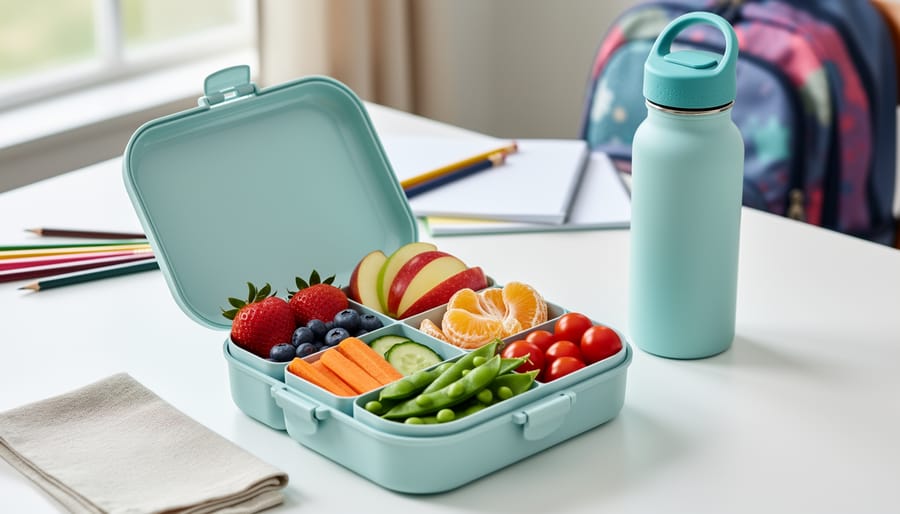
Whole fruits and vegetables are a smart place to start because they bring fibre along with natural sweetness. Fibre slows digestion, which helps kids avoid the quick spike and crash that can leave them restless by mid-afternoon. Think sliced apples, clementines, berries, cucumber rounds, carrot sticks, and snap peas.
Packing is easier than it sounds. A quick soak of apple slices in lemon water (about a tablespoon of juice per cup of water) keeps them from browning. Small, lidded containers stop soft fruit from getting squashed, and a divided container lets crunchy veggies sit apart from juicy berries. Pair raw veggies with a small scoop of hummus or yogurt dip if your child needs a little extra incentive.
Choice matters more than most adults expect. When kids pick their own colours, even from a short list, they tend to feel ownership and are more likely to finish what’s in the box. Try asking, “Which two colours do you want this week?”
One simple routine that works well in classrooms is a “rainbow snack” day. A teacher might post a colour chart on the wall, and students bring one fruit or vegetable to match a colour of the week. Kids compare what they brought, trade tastes of new things, and often try produce they’d normally skip.
2. Whole-Grain Crackers with Cheese or Hummus, Protein That Lasts
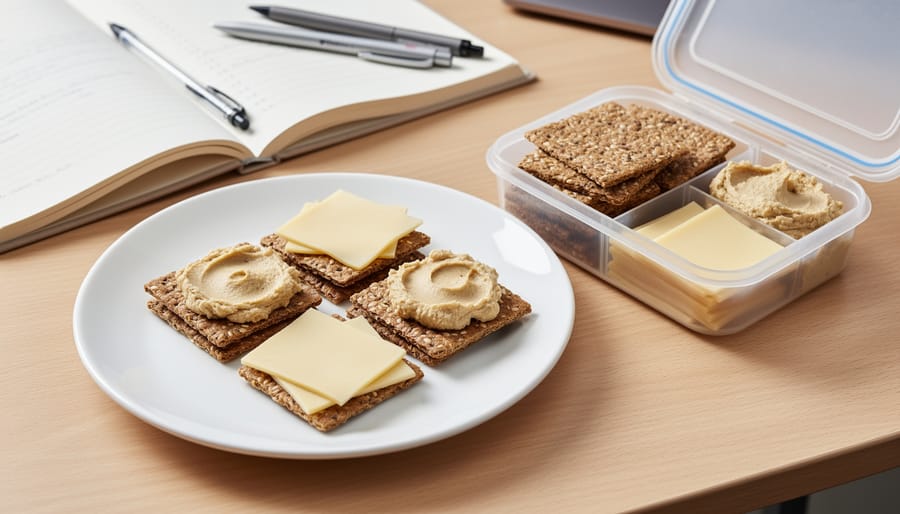
Whole-grain crackers on their own digest quickly. Add a little protein and the snack lasts much longer. Pairing carbohydrates with protein slows the release of energy, which helps students stay steady and focused until lunch instead of crashing mid-morning. Cheese cubes or a slice of cheddar do the job well, and they travel easily in a small container.
For families who avoid dairy, hummus is a good swap. It’s typically made from chickpeas and tahini, so it’s dairy-free and nut-free, though sesame is an allergen in its own right. Some schools also have sesame-aware classrooms, so it’s worth a quick check of your school’s policy before packing it.
Labels matter here. Crackers can carry a surprising amount of sodium, so compare a few brands and pick one with whole grain listed as the first ingredient and a lower salt count. In shared classrooms, also look for “may contain” statements. Crackers are often made in facilities that handle wheat, nuts, sesame, or milk, and cross-contact can be a real concern for students with allergies.
Pack the crackers and the cheese or hummus in separate compartments. Kids can then assemble each bite themselves, and the crackers stay crisp until snack time.
3. Plain Yogurt with Fruit, Calcium Without the Sugar Rush
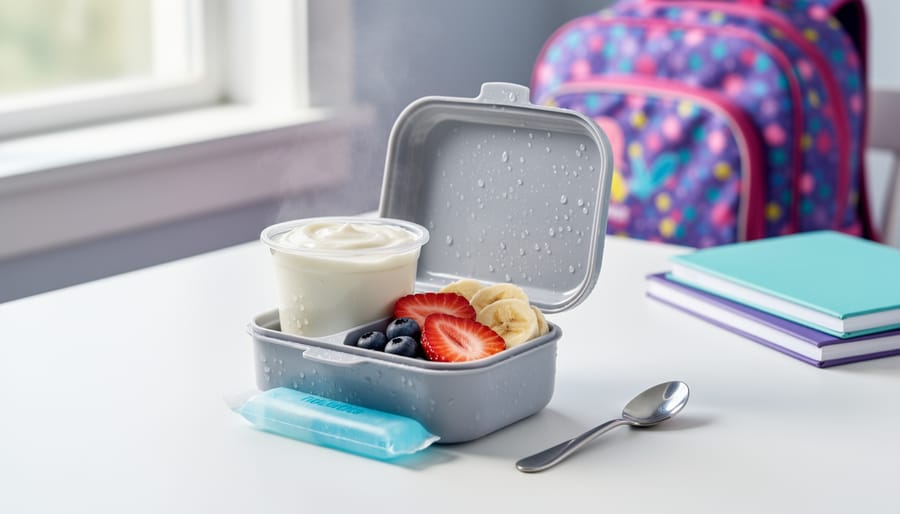
Plain or lower-sugar yogurt topped with fruit is an easy way to get calcium and protein into a school day without the sugar crash. Calcium supports growing bones, and the protein helps kids stay full and focused until lunch.
The trick is reading the label. Many single-serve yogurt cups and tubes carry as much added sugar as a dessert. A better move is buying a larger tub of plain yogurt and spooning a portion into a small container. Then add sliced strawberries, blueberries, or diced peaches. The fruit brings natural sweetness, and kids often like stirring it in themselves. If your child wants a little extra, a small drizzle of maple syrup goes a long way.
For students who don’t eat dairy, unsweetened fortified soy or pea-based yogurts are good alternatives. Check that they list added calcium and vitamin D. Offering these options means every child can join in at snack time, and no one feels left out.
4. Homemade Oat or Seed Energy Bites, Nut-Free and Budget-Friendly
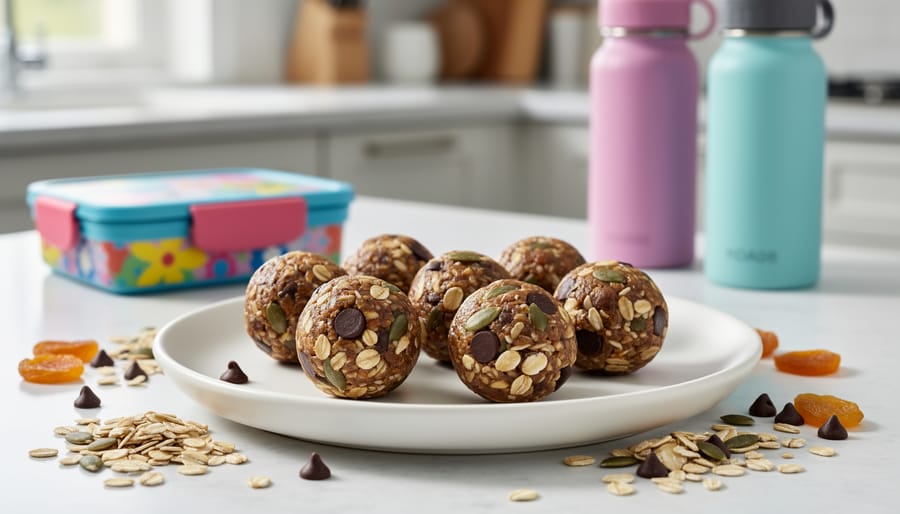
Homemade energy bites are a simple way to replace store-bought granola bars, many of which contain nuts, added sugar, or both. A basic batch starts with rolled oats, sunflower or pumpkin seed butter, a small drizzle of honey or maple syrup, and a handful of chopped dried fruit like raisins or cranberries. Stir everything together, roll into small balls, and chill for 30 minutes. Oats and seeds bring fibre and healthy fats, so the bites hold up well through a long morning.
A quick safety note: honey should never be given to children under one year old, so use maple syrup if there’s a baby in your home or you’re prepping for a younger sibling. Always check seed butter labels, since some brands are made in facilities that process nuts.
These bites also make a great family activity. Kids can measure, mix, and roll, which gives them a stake in what ends up in their lunch.
One parent volunteer at a Grade 2 class prepped a double batch on a Sunday evening, using about two cups of oats and a jar of sunflower seed butter. Stored in the fridge, the bites covered a week of snack time for the whole class, and the cost came out far below packaged bars.
5. Hard-Boiled Eggs or Roasted Chickpeas, Portable Protein
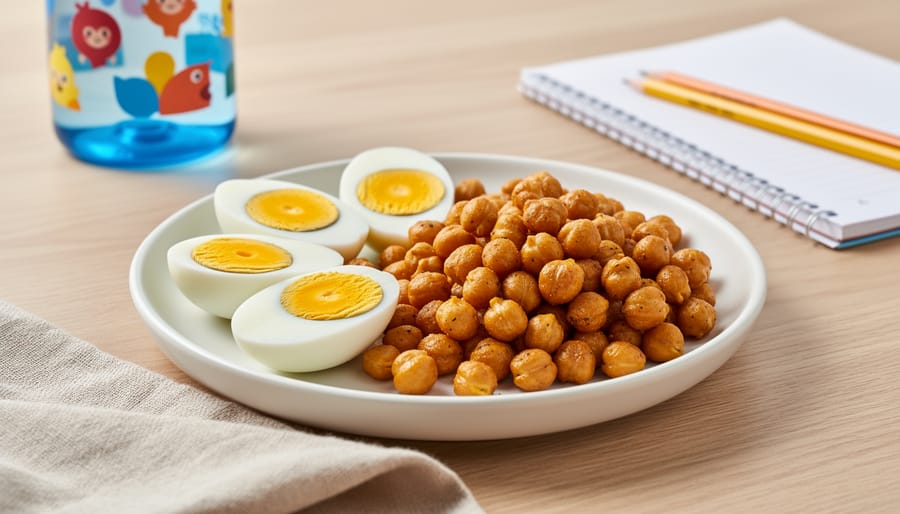
Protein helps a snack last. A handful of carbohydrates alone can leave kids hungry again within the hour, while a protein-rich option tends to keep energy steadier through the afternoon, when focus often dips.
Hard-boiled eggs are about as portable as protein gets. Peel them at home, tuck them in a small container, and keep them cold with an ice pack or an insulated lunch bag, since eggs shouldn’t sit at room temperature for long. Egg allergy is one of the more common childhood allergies, so check your school’s policy before packing them for a shared classroom, and keep them away from students who might be sensitive.
Roasted chickpeas are a crunchy swap for chips. Drain and dry canned chickpeas well, toss them with a little oil, and bake until crisp. Skip the heavy salt and try dried oregano, garlic powder, paprika, or a pinch of cumin instead. They’re nut-free, filling, and easy to portion into a small reusable container. Pack them the same morning for the best crunch.
6. Air-Popped Popcorn, a Whole-Grain Crunch
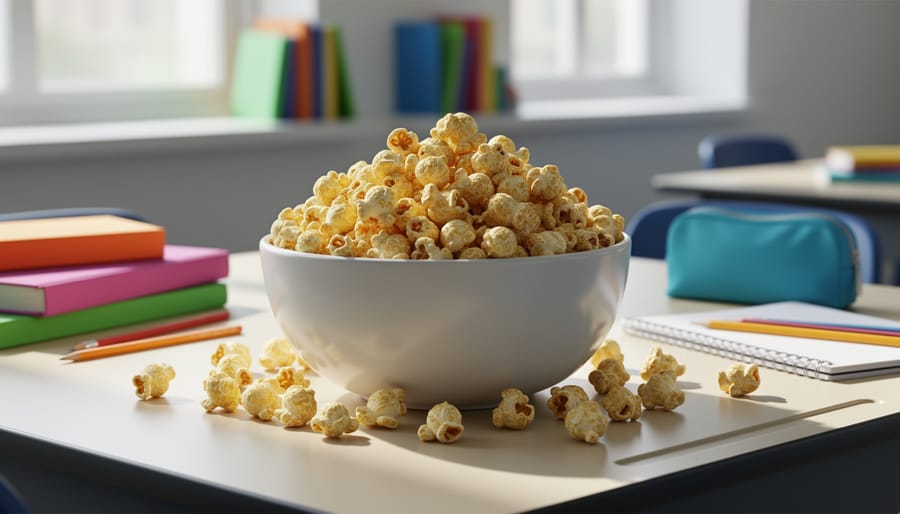
Plain air-popped popcorn is one of the easiest whole-grain snacks to send to school. It’s naturally high in fibre, low in calories, and light enough to stay crunchy in a lunch bag. A big bowl of it feels like a treat, which helps when kids are tired of the same old crackers.
Choking awareness matters here. Popcorn is generally not recommended for children under four, and even older kids should eat it seated and unhurried. Unpopped kernels can slip into the bottom of a container, so shake the bag out or pour it into a bowl before packing.
Keep seasoning light. A sprinkle of cinnamon, a little nutritional yeast, or a pinch of garlic powder adds flavour without the heavy salt and butter found in microwave bags. Let kids pick their own shake-on blend at home if you want them to feel ownership of their snack.
Prepared with just kernels and an air popper, popcorn suits many allergy-aware classrooms. Still, check your school’s allergy policy first, and skip pre-seasoned mixes that may carry hidden allergens or cross-contact warnings.
7. Whole-Grain Mini Wraps or Pita Pockets, Snacks That Feel Like a Mini Meal
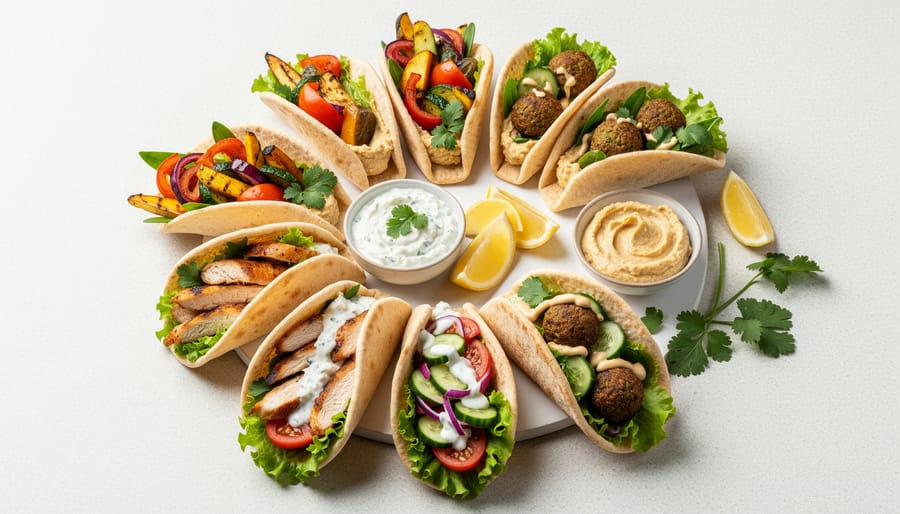
Small whole-grain wraps and pita pockets are an easy way to turn a snack into something that feels like a mini meal. Cut them into bite-sized rounds or halves, and fill them with sliced turkey, a bean spread, or cheese and crunchy veggies. A little hummus and shredded carrot works well too.
The real strength here is flexibility. A wrap can hold last night’s leftover chicken, a lentil dal, or seasoned beans, so families can build snacks around the foods they already eat and enjoy. Swap in dairy-free spreads, halal or kosher fillings, or gluten-free wraps without changing the basic idea.
Familiar foods matter more than you might think. When a snack looks like what a student’s family actually eats, it’s easier to enjoy it without worrying about standing out. That sense of belonging connects to bullying and learning since feeling singled out at the lunch table can chip away at a child’s confidence. Understanding the effects of bullying reminds us that small moments of inclusion, like a snack that fits right in, truly add up.
8. Water, Milk, or Fortified Plant-Based Drinks, The Snack Companion
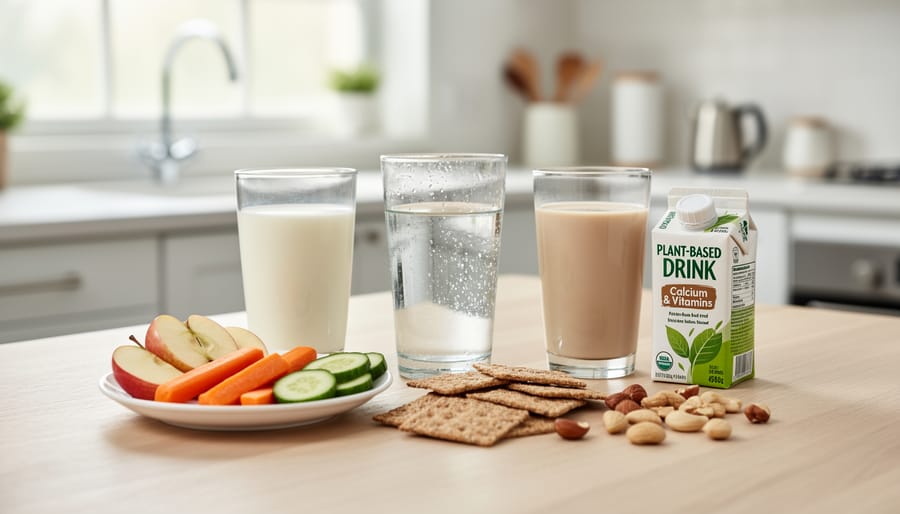
Snack time works best when drinks get as much thought as the food. A thirsty child often struggles to focus, and a few sips can help just as much as a bite of something to eat. Water is the simplest, cheapest choice, and it fits every diet and budget. Milk adds calcium, protein and vitamin D, which makes it a good match for lighter snacks. Fortified, unsweetened soy or other plant-based drinks can fill the same role for students who avoid dairy, so check the label for added calcium and vitamin D.
Juice and sweetened drinks are best kept for occasional treats. They deliver sugar quickly without the fibre of whole fruit, and the energy often fades fast. Pairing good snacks for learning with water keeps the whole routine simple.
Refillable water bottles make this easy, especially when classrooms and hallways have working fountains or filling stations. Letting every student sip freely, without needing permission, also helps build a calm, welcoming safe classroom.
Common Questions About School Snacks
Most questions families and staff raise about snacks come down to safety, cost, dignity, and quantity. Here are the ones that come up most.
How do we handle allergies and nut-free policies without singling out students?
Follow your school’s allergy policy and make the rules apply to the whole class, rather than pointing to one child. Seed-based options like the oat or seed energy bites and label-checked crackers keep shared spaces safer for everyone.
What if a family can’t afford packaged or fresh snack items?
Budget-friendly choices like homemade energy bites, air-popped popcorn, and hard-boiled eggs cost little per serving. Schools can also quietly share ideas and recipes so no family feels judged for what they can or can’t pack.
How can schools support students who arrive without a snack?
Keep a shared, discreet supply of simple items like fruit, crackers, or water that any student can access without questions. Treat it as a normal part of the day, not a special favour, so no one feels labelled.
How much snack is enough?
A small, satisfying portion that bridges the gap to the next meal is usually plenty, and appetites vary by age and activity. Let children’s hunger cues guide them, and check with a health professional if you have specific concerns.
Food and well-being are connected. Steady, nourishing snacks can support mood and concentration, though they’re only one piece of how a child feels at school. A calm, welcoming snack time, where everyone eats without worry or comparison, helps build the supportive climate students need to learn.
Making Healthy Snacking Part of a Caring School Culture
The best school snacks are simple, nutritious, safe, and inclusive. A handful of fruit, a few whole-grain crackers with hummus, or a bottle of water does more for a child’s afternoon than any elaborate lunchbox trend. Nutrition is only one piece of the picture, though. Students also need to feel safe, welcome, and understood in the places where they learn.
That’s why snack time works best when adults pull in the same direction. Educators see which students are tired, hungry, or hesitant to eat in front of others. Administrators shape the policies that decide how allergies are managed and how food is shared. Parents know their children’s tastes, traditions, and needs. When these groups talk openly, policies can stay grounded in evidence and still be kind, protecting students with allergies without singling anyone out, and quietly making sure no child goes without.
Start small. Pick one or two ideas from this list, share them with your school community, and ask what would make snack time easier for everyone. For more on supporting student well-being, explore the Safe School Committee’s related resources, and keep building a school culture where every student feels cared for.