
Probiotic foods are fermented foods that contain live microorganisms, typically lactic acid bacteria or yeasts, which support digestive health and maintain a balanced microbiome when eaten regularly. Unlike all fermented foods (beer, wine, and many types of sourdough bread don’t make the cut), true probiotic foods deliver live beneficial bacteria that can help reduce bloating, support regular bowel movements, and strengthen the immune system. For school communities in 2026, understanding which foods genuinely contain probiotics matters because consistent consumption supports nutrient absorption, may reduce inflammation, and contributes to the overall well-being of students, staff, and families.
The distinction is straightforward: fermented doesn’t automatically mean probiotic. While fermentation creates beneficial compounds, only foods retaining live cultures after processing offer the targeted digestive support that defines probiotics. Research confirms that probiotics are “live microorganisms, which when administered in adequate amounts, confer a health benefit on the host.” That clinical definition translates to practical benefits for busy families and school meal programs looking to support student health through accessible, evidence-based food choices.
This guide identifies seven probiotic-rich foods widely available in Canadian stores and clarifies how to incorporate them into daily routines. Whether planning school lunches or family meals, choosing foods with verified live cultures gives you a simple, natural approach to supporting digestive comfort and long-term wellness.
Understanding Probiotic Foods: Not All Fermented Foods Are the Same
Fermentation is an ancient preservation method, but not every fermented food delivers live microorganisms to your gut. Probiotic foods are a specific subset of fermented foods, those that contain live bacteria or yeasts, typically lactic acid bacteria, that survive to reach the digestive system and confer measurable health benefits. When you consume these foods regularly, those microorganisms help maintain microbiome balance, support digestion, and may reduce bloating or irregular bowel movements.
Many fermented foods, however, lose their live cultures during production or simply never contained probiotics in the first place. Beer and wine, for example, are fermented by yeasts that are filtered out or killed by alcohol. Sourdough bread relies on fermentation for flavour and texture, but baking destroys the live organisms. Chocolate undergoes fermentation as part of processing cocoa beans, yet no beneficial bacteria remain in the final bar. Even tempeh, a fermented soy product, is cooked before consumption, which eliminates most live microorganisms.
The distinction matters because probiotic foods have been studied for specific digestive and immune benefits, while general fermented foods may support health in other ways, such as improving flavour, shelf life, or nutrient availability, but lack the same evidence base. For educators and families seeking to support student well-being through nutrition, understanding this difference ensures you choose foods that genuinely contribute to a healthier, more resilient microbiome. Consistency with true probiotic sources, rather than assuming all fermented foods deliver the same benefits, makes the real difference.
How We Selected These Probiotic Foods
We selected these seven probiotic foods using four key criteria rooted in evidence and practicality for families and schools. First, each food must naturally contain live microorganisms, typically lactic acid bacteria or yeasts, proven to survive to the gut and offer measurable health benefits. Second, we prioritized foods with documented support for digestion, microbiome balance, and overall wellness, distinguishing them from fermented foods that lack live cultures or targeted benefits. Third, accessibility mattered: every option on this list is available in most grocery stores, affordable for families, and simple to incorporate into school meal programs or home routines. Finally, we focused on whole-food sources that encourage consistent, long-term consumption rather than relying on supplements, which serve a different purpose. These criteria ensure that the foods we recommend are both evidence-based and realistic for everyday use in supporting student and family health.
1. Yogurt with Live Cultures

Yogurt with live and active cultures ranks among the most accessible and widely available probiotic foods, making it an ideal starting point for families and schools. It contains lactic acid bacteria, particularly strains like Lactobacillus bulgaricus and Streptococcus thermophilus, which survive the fermentation process and can support digestive health when consumed regularly.
These live microorganisms help maintain a diverse and balanced gut microbiome, which plays a central role in digestion and nutrient absorption. Many students and adults who consume yogurt with live cultures consistently report reduced bloating and more comfortable digestion, especially when it becomes part of their daily routine.
Not all yogurt contains probiotics, however. Pasteurization after fermentation kills the beneficial bacteria, so choosing products labeled with “live and active cultures” ensures you’re getting the probiotic benefit. Plain varieties without added sugars tend to offer the most straightforward health advantages, though lightly sweetened options can still support gut health when balanced with other nutritious foods.
For schools considering probiotic-rich snacks, yogurt offers a familiar, easy-to-serve option that students already recognize and enjoy, making it a practical bridge to better digestive wellness.
2. Kefir
Kefir is a fermented milk drink that stands out for its exceptionally diverse range of probiotic strains. While yogurt typically contains a handful of bacterial cultures, kefir can harbor dozens of different microorganisms, including lactic acid bacteria and beneficial yeasts, making it one of the most potent whole-food probiotic sources available to families and schools.
This diversity matters for digestive comfort and overall wellness. The broader spectrum of live cultures in kefir supports more complete digestion and helps maintain a balanced, resilient microbiome. Students and adults who consume kefir regularly may notice reduced bloating, more regular bowel movements, and improved nutrient absorption, benefits that contribute directly to daily energy and focus.
Kefir also offers immune support when included consistently in the diet. The live microorganisms interact with the gut lining and immune cells, helping to strengthen the body’s defenses against illness. For schools and families looking to support student health through nutrition, kefir represents an accessible, evidence-based choice that goes beyond basic fermented foods in both strain diversity and targeted benefits.
3. Sauerkraut (Unpasteurized)
Unpasteurized sauerkraut is fermented cabbage that contains live lactic acid bacteria, the same beneficial microorganisms that support gut microbiome balance and digestion. These bacteria are produced naturally during the fermentation process, when cabbage is salted and left to ferment over several days or weeks. The result is a tangy, crunchy food that delivers live cultures with each serving.
The key distinction lies in processing. Pasteurization, a heat treatment used to extend shelf life, kills the beneficial bacteria that make sauerkraut probiotic. To gain the digestive benefits, choose raw, unpasteurized sauerkraut found in the refrigerated section of grocery stores. Shelf-stable varieties in jars or cans have typically been pasteurized and no longer contain live cultures.
Unpasteurized sauerkraut fits easily into meals as a side dish, sandwich topping, or salad ingredient. A small serving, a forkful or two, can contribute to microbiome diversity when included regularly. For families and schools looking to introduce probiotic foods, sauerkraut offers an affordable, accessible option that requires no preparation and stores well in the refrigerator for weeks.
4. Kimchi
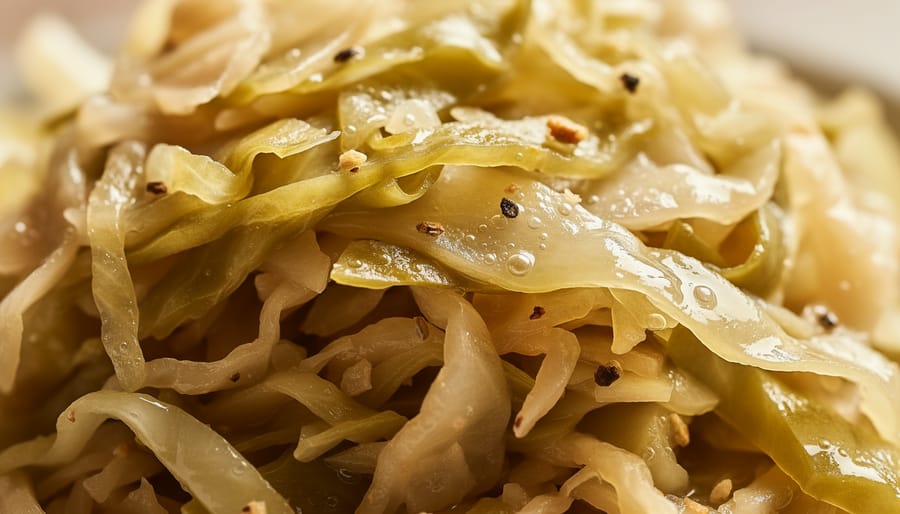
Kimchi is a traditional Korean fermented vegetable dish made primarily from napa cabbage, radishes, and a blend of seasonings including garlic, ginger, and chili pepper. During fermentation, naturally occurring lactic acid bacteria transform the vegetables, creating a tangy, spicy condiment rich in live microorganisms. These beneficial bacteria support digestion by helping break down food and maintaining a balanced gut environment.
Regular consumption of kimchi can contribute to a more diverse microbiome, which plays a key role in overall digestive health. The fermentation process may also help reduce inflammation in the gut, supporting comfort and regularity. For students and families, kimchi offers a flavorful way to introduce probiotic-rich foods into meals, try it as a side dish, mixed into rice bowls, or added to scrambled eggs.
Choose refrigerated kimchi from the produce section rather than shelf-stable versions, as refrigeration helps preserve the live cultures. Starting with small portions allows children to adjust to the bold flavors while still gaining digestive benefits from consistent inclusion in their diet.
5. Miso
Miso is a traditional Japanese fermented soybean paste that contains beneficial yeasts and bacteria developed during a months-long fermentation process. Unlike some fermented foods that lose their probiotic content through heat processing, unpasteurized miso retains live microorganisms that can support digestive health and nutrient absorption when consumed.
The fermentation process breaks down complex proteins and carbohydrates in soybeans, making nutrients more bioavailable while creating a rich environment for beneficial bacteria. This dual benefit means miso can help your body extract more nutrition from the foods you eat while supporting a balanced microbiome.
The key to preserving these live cultures is avoiding high heat. Add miso to soups, dressings, and marinades after cooking, not during boiling. Stirring a tablespoon of miso paste into warm broth at the end of preparation maintains its probiotic properties while adding depth of flavor. This simple technique makes it easy for families and school food programs to incorporate miso into everyday meals without specialized preparation.
6. Kombucha
Kombucha is a fermented tea beverage made by adding a culture of yeasts and bacteria to sweetened tea, creating a tangy, lightly effervescent drink. The fermentation process produces live microorganisms that can support gut microbiome diversity and digestive comfort when consumed regularly. Because kombucha contains both bacteria and yeasts, it offers a broader range of probiotic strains than some other fermented foods, which may contribute to a more varied microbiome.
For students and educators, maintaining a balanced gut can support overall well-being, including nutrient absorption and immune function. Research suggests that probiotic foods like kombucha, when included consistently in the diet, may help reduce symptoms of digestive discomfort such as bloating or irregular bowel movements. Supporting physical health through nutrition also connects to broader wellness outcomes, including mental health in school where students who feel physically comfortable are better able to focus and engage in learning.
When choosing kombucha, look for varieties with lower added sugar, as some commercial brands can contain high levels that offset the benefits of the live cultures. Raw, refrigerated options are more likely to retain active microorganisms.
7. Pickles (Naturally Fermented)

Naturally fermented pickles offer a familiar, budget-friendly way to add probiotics to everyday meals. Unlike most store-bought pickles, which are preserved in vinegar and don’t contain live cultures, naturally fermented pickles rely on salt brine and time. During fermentation, lactic acid bacteria transform fresh cucumbers into tangy, crunchy pickles while remaining alive in the finished product.
These bacteria support microbiome balance when pickles are eaten regularly as part of a varied diet. You’ll find naturally fermented pickles in the refrigerated section of grocery stores, often labeled “raw,” “unpasteurized,” or “probiotic.” Shelf-stable pickles in the condiment aisle have been pasteurized, which kills beneficial microorganisms.
For schools and families, naturally fermented pickles are easy to incorporate. Add them to lunch boxes, serve alongside sandwiches, or chop them into salads. Their accessibility and mild probiotic benefits make them a practical addition to the rotation of probiotic foods that support digestive health and overall wellness in students and educators alike.
How Probiotic Foods Support Gut Health and Overall Well-Being
Probiotic foods support gut health by introducing beneficial live microorganisms that actively contribute to digestion and microbiome balance. These foods help break down nutrients more efficiently, which can enhance absorption of vitamins, minerals, and other essential compounds that students need for physical and cognitive development. When consumed consistently, probiotic-rich foods may reduce common digestive discomforts like bloating and irregular bowel movements, creating a foundation for good gut health that supports overall well-being.
Beyond digestion, probiotic foods play a role in maintaining a diverse microbiome, which research links to reduced inflammation and stronger immune function. A balanced gut environment helps the body respond more effectively to stressors and potential health challenges, which matters in school settings where students are regularly exposed to new microorganisms. For educators and parents, encouraging probiotic foods as part of nutritious snacks and meals offers a practical, evidence-based approach to supporting student health. When students feel physically well and comfortable, they’re better able to focus, participate, and engage in learning throughout the school day.
Making Probiotic Foods Part of Everyday Life
Starting a probiotic-food habit doesn’t require a complete menu overhaul. Small, consistent additions to meals and snacks make the biggest difference. Parents can stir a spoonful of plain yogurt into morning oatmeal, pack naturally fermented pickles alongside a sandwich, or blend kefir into a fruit smoothie. At dinner, miso soup becomes a simple starter, and a small serving of kimchi or sauerkraut adds variety to a grain bowl or salad. The goal is to make these foods feel like normal parts of a meal, not special supplements.
Schools can support this shift by including probiotic foods in breakfast and lunch programs. A yogurt station with live cultures, kombucha offered as a beverage choice, or a salad bar featuring naturally fermented vegetables all give students regular access without requiring families to change routines at home. When schools model these choices, students see them as ordinary rather than unfamiliar.
- Add plain yogurt with live cultures to breakfast cereals, parfaits, or smoothies
- Include a small serving of sauerkraut or kimchi as a side dish at lunch or dinner
- Offer kefir as a snack or beverage option in school cafeterias
- Use miso to flavor soups and dressings without boiling to preserve live cultures
- Keep naturally fermented pickles on hand for quick, probiotic-rich snacks
Consistency matters more than portion size. A few spoonfuls of yogurt daily offers more benefit than a large serving once a week. Rotating among different probiotic foods also supports microbiome diversity, which strengthens overall health and resilience. Just as classroom safety training builds preparedness through regular practice, incorporating probiotic foods into everyday routines builds digestive and immune health through steady, small exposures.
Common Questions About Probiotic Foods
Do all fermented foods contain probiotics?
No. While probiotic foods are fermented foods that contain live microorganisms, not all fermented foods qualify as probiotic. Beer, wine, sourdough bread, chocolate, and tempeh are fermented but typically don’t contain the live bacteria or yeasts that define probiotic foods.
How much should I consume each day?
Consistency matters more than quantity. Including a variety of probiotic foods regularly, even in small amounts, supports microbiome diversity better than occasional large servings. A few spoonfuls of yogurt or sauerkraut daily can contribute meaningfully when part of a balanced diet.
Are probiotic foods safe for children?
Generally yes. Foods like yogurt, kefir, and naturally fermented vegetables are safe for most children and can support digestive health when introduced gradually and varied. If a child has specific health concerns or allergies, consult with a healthcare provider before making significant dietary changes.
Can probiotic foods replace supplements?
They serve different purposes. Probiotic foods offer whole-food benefits, including nutrients like vitamins, minerals, and fiber alongside live microorganisms. Supplements provide targeted strains in controlled amounts. Both can support gut health, but whole foods integrate more naturally into everyday eating patterns for families and schools.
These questions reflect what educators and parents often wonder when considering probiotic foods for their families and students. The distinction between fermented and probiotic foods is especially important, since not every fermented product will deliver the live microorganisms that support digestion and microbiome balance. Understanding this difference helps families make informed choices at the grocery store and in school nutrition programs.
The emphasis on consistency over quantity aligns with how probiotic foods work best: regular exposure to diverse strains supports a balanced microbiome more effectively than irregular consumption. For schools and busy families, this means that small, sustainable changes, like adding a serving of yogurt to breakfast or including kimchi with lunch, can make a meaningful difference without requiring dramatic dietary overhauls.
Probiotic foods offer educators, parents, and school administrators accessible, evidence-based tools for supporting gut health, digestion, and overall well-being in students and families. These foods, yogurt with live cultures, kefir, unpasteurized sauerkraut, kimchi, miso, kombucha, and naturally fermented pickles, contain live microorganisms that help maintain a balanced and diverse microbiome, reduce digestive discomfort, and support nutrient absorption and immune function. By consistently including these foods in school nutrition programs and family meals, we create conditions that support student health, focus, and learning capacity.
Gut health is not separate from school safety and wellness. It is part of a holistic approach that recognizes the connection between physical well-being and the ability to learn, engage, and thrive. When schools and families prioritize accessible, whole-food strategies like probiotic-rich foods, we reinforce our shared commitment to fostering safe, healthy learning environments where every student has the opportunity to succeed.